
You have not yet added any article to your bookmarks!
Join 10k+ people to get notified about new posts, news and tips.
Do not worry we don't spam!
Post by : Shweta
The United States military has initiated fresh "defensive" strikes on sites in southern Iran, as reported by U.S. Central Command (CENTCOM). These operations focused on Iranian missile launch infrastructures and vessels suspected of deploying naval mines around the Strait of Hormuz, a critical artery for global oil transportation.
CENTCOM articulated that these strikes were essential for safeguarding U.S. personnel and operational activities in the region in light of a fragile ceasefire currently in effect. Navy Captain Tim Hawkins, CENTCOM's spokesperson, emphasized that U.S. forces are committed to safeguarding their troops while exercising restraint amidst the ongoing ceasefire.
Witnesses reported hearing explosions in various locales within southern Iran, including Bandar Abbas, Sirik, and Jask. Although Iranian media acknowledged the military actions, they condemned the strikes, suggesting that Washington has breached international laws while jeopardizing ongoing diplomatic discussions.
American officials indicated that the strikes were prompted by surveillance observations of Iranian Revolutionary Guard ships laying mines in vital Gulf passageways. U.S. military leaders warned that these mines could threaten maritime shipping, oil transportation, and military operations transiting through the Strait of Hormuz, which is pivotal for a significant share of worldwide oil exports and an essential factor for global energy stability.
Reports also mentioned that the strikes targeted a surface-to-air missile installation near Bandar Abbas, which was thought to pose a risk to American aircraft in the area. U.S. representatives characterized the operation as constrained and defensive, rather than a prelude to a broader military initiative.
These military actions occurred concurrently with indirect discussions between the U.S. and Iran in Doha, Qatar. Diplomats are reportedly negotiating issues tied to sanctions alleviation, Iran’s nuclear activities, the reopening of the Strait of Hormuz, and overarching regional security factors. In spite of the strikes, U.S. Secretary of State Marco Rubio affirmed that diplomatic efforts remain viable and that negotiations have not faltered.
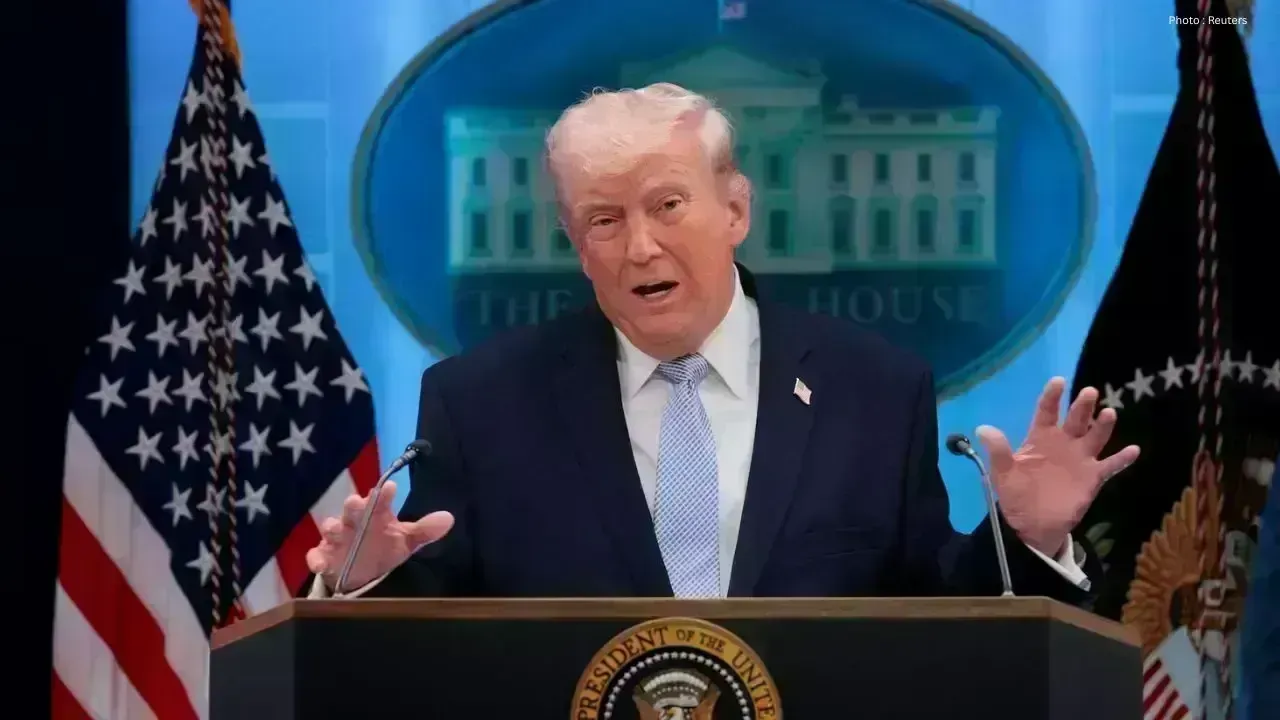
President Donald Trump also shared his perspective, reiterating demands for Iran to relinquish or eliminate its stockpile of highly enriched uranium under international oversight. He stressed that any forthcoming peace agreement must be "robust and comprehensive" while advocating for broader regional collaboration through the Abraham Accords.
Iranian officials vehemently condemned the airstrikes, characterizing them as aggressive maneuvers during sensitive discussions. Tehran cautioned that persistent military strikes could erode trust between the two nations and heighten instability throughout the Middle East. Iranian military representatives claimed they had responded to previous U.S. military actions in Gulf waters, though details remains ambiguous.
This latest escalation follows months marked by conflict involving Iran, the United States, and Israel. Although a ceasefire has been officially upheld since April, frequent drone activities, naval skirmishes, missile launches, and escalating regional tensions continue to threaten stability.
Global energy markets are reacting cautiously to these new military actions, as investors express concern about possible disruptions to oil shipments through the Strait of Hormuz. Analysts warn that significant escalations in the region could have repercussions for oil prices, international shipping, and trade dynamics worldwide.
Experts in military strategy suggest that the state of affairs remains precarious, despite ongoing diplomatic dialogue. While U.S. officials assert that these strikes were defensive and limited, observers worry that continued military action amidst peace negotiations might undermine ceasefire efforts and escalate the risk of broader conflict in the region.










PM Modi Pays Tribute to Mahatma Gandhi, Urges People to Support Khadi
PM Modi pays tribute to Mahatma Gandhi on Gandhi Jayanti and urges citizens to support Khadi and the

Amazon Seeks to Offload $8 Billion in Nvidia Chips to Investors
Amazon plans to move $8 billion in Nvidia chips to investors, using a new financing model to strengt

Samsung Raises Galaxy S26 Prices as Memory Chip Costs Rise
Samsung raises Galaxy S26 prices in South Korea as rising memory chip costs put pressure on smartpho

Lewis Hamilton Calls Singapore Grand Prix One of F1's Toughest Races
Lewis Hamilton discusses the demanding Singapore Grand Prix and brings Plus44 and Almave to Singapor

Denmark's Pandora Opens World's Largest Jewellery Factory in Vietnam
Pandora opens its largest jewellery factory in Vietnam, expanding global production, strengthening s

Gautam Gambhir Questions Batting-Friendly Pitches After India's Record ODI Chase
Gautam Gambhir questions batting-friendly ODI pitches after India’s record chase, calling for a bett

