
You have not yet added any article to your bookmarks!
Join 10k+ people to get notified about new posts, news and tips.
Do not worry we don't spam!
Post by : Shakul
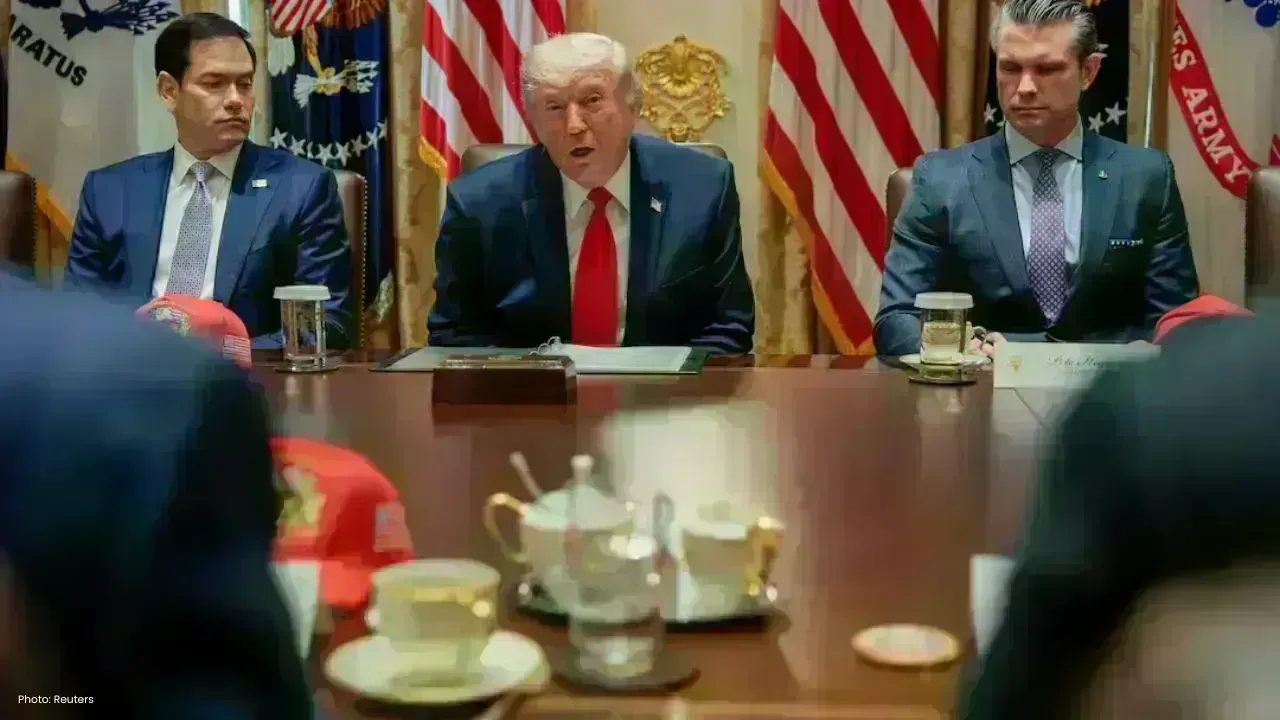
The United States and Iran are reportedly moving closer to a significant diplomatic breakthrough after negotiators reached a preliminary agreement to extend the current ceasefire for an additional 60 days. The proposed arrangement is still awaiting final approval from US President Donald Trump and senior leaders in Tehran, but officials on both sides have indicated that progress has been made.
According to sources familiar with the discussions, the agreement would help preserve the fragile truce that has been in place since April while reopening unrestricted commercial shipping through the strategically vital Strait of Hormuz. The waterway is one of the world’s most important energy corridors and carries a substantial portion of global oil and liquefied natural gas exports.
The proposed extension is being viewed as the most meaningful step toward reducing tensions since the conflict erupted earlier this year. Negotiators are reportedly using the ceasefire period to address more complex issues, including Iran’s nuclear program, sanctions relief, regional security concerns and broader diplomatic relations between the two countries.
US Vice President JD Vance said negotiators were making progress but cautioned that a final agreement had not yet been secured. He noted that discussions remain active and expressed optimism that both sides could eventually reach a lasting understanding if current momentum continues.
Despite the diplomatic progress, recent military incidents have highlighted the fragile nature of the ceasefire. US forces reported intercepting several Iranian drones and conducting defensive strikes against what they described as imminent threats. Iran, meanwhile, accused the United States of escalating tensions and warned that any future attacks would receive a stronger response.
The possibility of a deal has already affected global energy markets. Oil prices declined after reports emerged that shipping restrictions through the Strait of Hormuz could be lifted. The route is responsible for transporting a significant share of the world's energy supplies, making its stability critical for international trade and economic confidence.
Iranian media reports suggested that negotiations remain ongoing and that the final text of the agreement has not yet been completed. Officials in Tehran have continued to insist that any long-term settlement must include sanctions relief, access to frozen assets and guarantees regarding regional security arrangements.
Observers believe that if the ceasefire extension is formally approved, it could create a valuable window for diplomacy and help reduce tensions across the Middle East. However, significant differences remain between Washington and Tehran, meaning that any lasting peace agreement will likely require further rounds of complex negotiations in the months ahead.
#GeoPolitics #Relationship insecurities #Iran War #World News








PM Modi Pays Tribute to Mahatma Gandhi, Urges People to Support Khadi
PM Modi pays tribute to Mahatma Gandhi on Gandhi Jayanti and urges citizens to support Khadi and the

Amazon Seeks to Offload $8 Billion in Nvidia Chips to Investors
Amazon plans to move $8 billion in Nvidia chips to investors, using a new financing model to strengt

Samsung Raises Galaxy S26 Prices as Memory Chip Costs Rise
Samsung raises Galaxy S26 prices in South Korea as rising memory chip costs put pressure on smartpho

Lewis Hamilton Calls Singapore Grand Prix One of F1's Toughest Races
Lewis Hamilton discusses the demanding Singapore Grand Prix and brings Plus44 and Almave to Singapor

Denmark's Pandora Opens World's Largest Jewellery Factory in Vietnam
Pandora opens its largest jewellery factory in Vietnam, expanding global production, strengthening s

Gautam Gambhir Questions Batting-Friendly Pitches After India's Record ODI Chase
Gautam Gambhir questions batting-friendly ODI pitches after India’s record chase, calling for a bett

