
You have not yet added any article to your bookmarks!
Join 10k+ people to get notified about new posts, news and tips.
Do not worry we don't spam!
Post by : Badri Ariffin
Amidst rising tensions, the United States has made it clear that Iran needs to strike a robust agreement or be ready for an alternative approach to the ongoing conflict, as discussions persist on nuclear matters and broader regional issues.
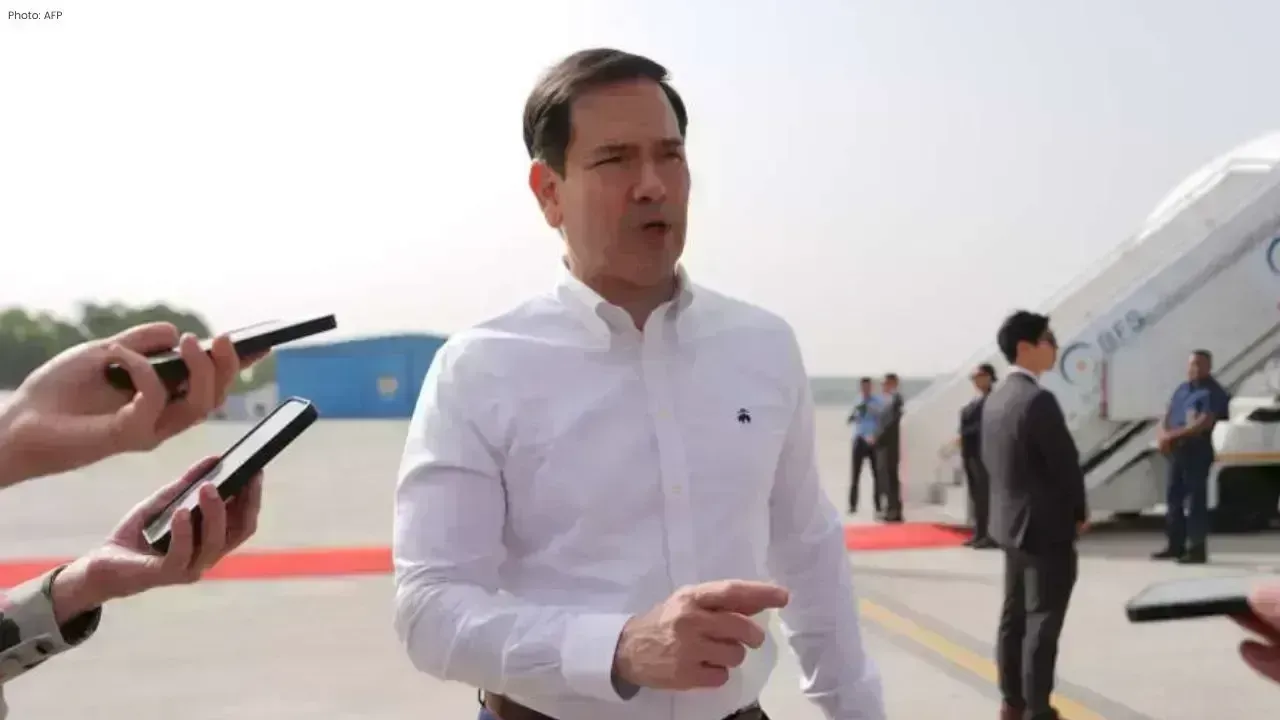
On Monday, US Secretary of State Marco Rubio emphasized the importance of diplomacy, stating that negotiations are active regarding both Iran's nuclear agenda and the vital Strait of Hormuz's reopening during his remarks in New Delhi.
Rubio mentioned the existence of a “solid proposal” that could facilitate Iran's access to the Strait of Hormuz while initiating a serious, time-bound negotiation process concerning nuclear issues. He expressed hope for a successful resolution to the talks.
Previously, US President Donald Trump cautioned against hasty negotiations, expressing on Truth Social that the blockade on Iranian vessels in the Strait of Hormuz would remain enforced until a formal agreement is finalized.
While Iran has yet to officially respond to the latest US remarks, the Tasnim news agency, aligned with Tehran, reported lingering significant differences, particularly regarding Iran's insistence on access to frozen funds held overseas.
Following optimistic currents about the potential for an accord, global oil prices plummeted almost 6 percent. Trump remarked that negotiations have largely resulted in a memorandum of understanding beneficial for the reopening of the Strait of Hormuz, a critical passage for international oil transport.
Historically, the Strait has accounted for approximately 20 percent of the world’s oil and liquefied natural gas movement, underscoring its significance to global energy markets.
Despite advancements, several key controversies linger, including Iran's nuclear enrichment program, relief from sanctions, the recovery of frozen oil assets, and escalating tensions involving Israel and Hezbollah.
A senior US administration figure noted that Iran has tentatively agreed to reopen the Strait of Hormuz in return for lifting the US naval blockade. Furthermore, it's said that Tehran is considering reducing its stockpile of highly enriched uranium.
This official added that Iran's Supreme Leader, Mojtaba Khamenei, has purportedly acknowledged the broad parameters of the proposed agreement, although no official confirmation has been given by Iranian sources.
The initial phase involves reopening the strait and discontinuing the blockade, with detailed nuclear negotiations expected to follow. Another senior US official mentioned that the framework provides 60 days for the finalization of a comprehensive agreement.
Tehran has consistently denied accusations from the US and Israel regarding its alleged pursuit of nuclear weapons, insisting that its uranium enrichment efforts are intended solely for civilian use.
The ongoing tensions among the US, Israel, and Iran have significantly impacted global energy supplies and raised apprehensions about escalating prices for fuel, food, and fertilizers worldwide. Although a fragile ceasefire has been in place since early April, the overall situation remains highly charged.










PM Modi Pays Tribute to Mahatma Gandhi, Urges People to Support Khadi
PM Modi pays tribute to Mahatma Gandhi on Gandhi Jayanti and urges citizens to support Khadi and the

Amazon Seeks to Offload $8 Billion in Nvidia Chips to Investors
Amazon plans to move $8 billion in Nvidia chips to investors, using a new financing model to strengt

Samsung Raises Galaxy S26 Prices as Memory Chip Costs Rise
Samsung raises Galaxy S26 prices in South Korea as rising memory chip costs put pressure on smartpho

Lewis Hamilton Calls Singapore Grand Prix One of F1's Toughest Races
Lewis Hamilton discusses the demanding Singapore Grand Prix and brings Plus44 and Almave to Singapor

Denmark's Pandora Opens World's Largest Jewellery Factory in Vietnam
Pandora opens its largest jewellery factory in Vietnam, expanding global production, strengthening s

Gautam Gambhir Questions Batting-Friendly Pitches After India's Record ODI Chase
Gautam Gambhir questions batting-friendly ODI pitches after India’s record chase, calling for a bett

