
You have not yet added any article to your bookmarks!
Join 10k+ people to get notified about new posts, news and tips.
Do not worry we don't spam!
Post by : Saif Rahman
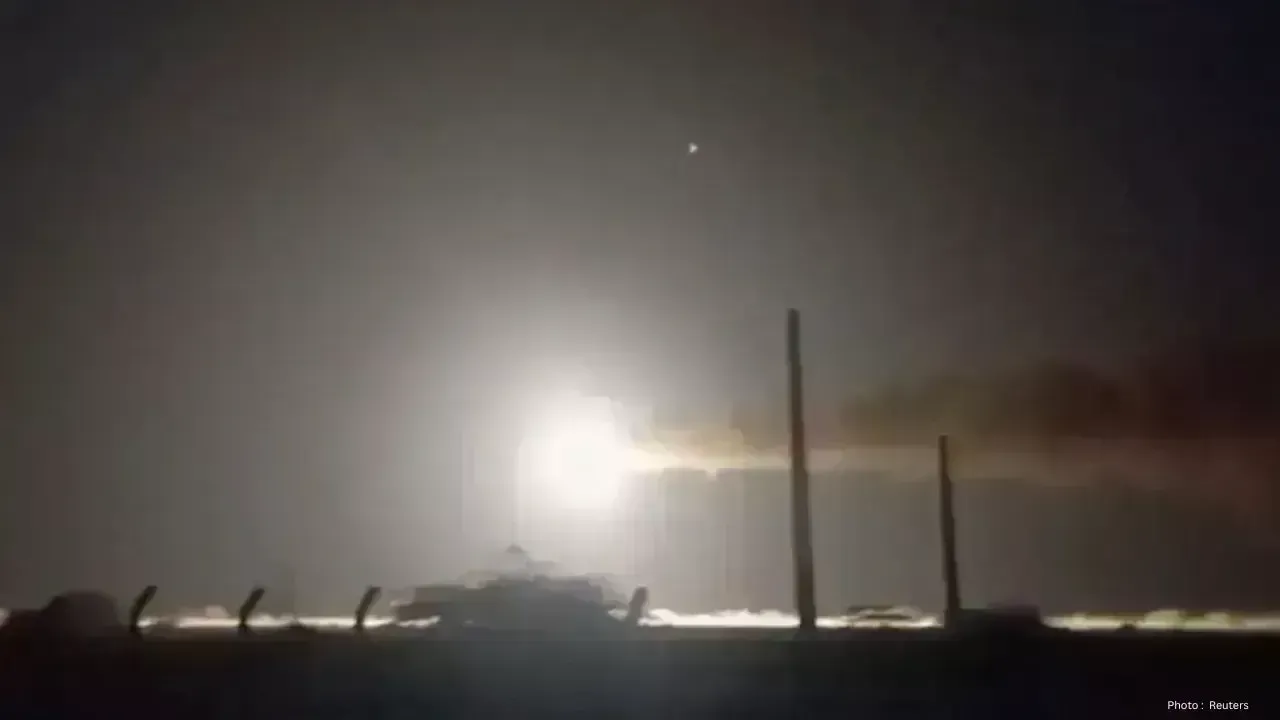
A confrontation between the United States and Iran in the Strait of Hormuz has heightened worries about a broader conflict in the Middle East, jeopardizing global oil supplies and international trade. This narrow passage is a vital energy corridor, carrying nearly one-fifth of the world’s oil shipments daily.
The Strait of Hormuz acts as a crucial link between oil-producing nations in the Gulf and global markets. Any disturbance in this area can swiftly lead to rising fuel prices, increased shipping costs, and turmoil in the global economy.
Reports indicate that military movements between US and Iranian forces took place near this significant waterway. Although both nations have exchanged accusations, the specifics are still emerging. Even minor clashes in this region can ignite heightened global anxiety.
Markets reacted swiftly following the incident, with traders expressing concerns over potential supply interruptions. Typically, crude oil prices surge amid rising tensions in the Middle East, as investors fear the potential risks to energy transport and production reliability.
The ongoing conflict between the United States and Iran spans decades, revolving around nuclear development, sanctions, military influence, and regional security. These persistent disputes have rendered the Gulf region one of the most precarious geopolitical landscapes globally.
Iran consistently challenges the presence of foreign military forces near its waters, while the United States maintains that it is safeguarding global shipping lanes and ensuring the safe passage of commercial vessels. These conflicting perspectives exacerbate tensions and can lead to confrontations.
Experts caution that the current scenario is particularly perilous, as the region is embroiled in various conflicts. A direct escalation between the two nations could threaten not just the Middle East but also international markets.
Countries reliant on oil imports are closely monitoring the developments. Rising oil prices can lead to increased inflation, transport costs, and impact everyday goods around the world, including food and fuel.
International leaders are urging restraint and advocating for both parties to avert further escalation. Diplomatic efforts are being encouraged to mitigate the risk of the situation evolving into a larger military conflict.
The Strait of Hormuz is recognized as one of the world’s most sensitive chokepoints. Even minor incidents in this region can trigger significant global economic repercussions.
As the situation unfolds, the global community remains vigilant, hoping that diplomacy can alleviate the tension or whether the circumstances will escalate further in the upcoming days.










PM Modi Pays Tribute to Mahatma Gandhi, Urges People to Support Khadi
PM Modi pays tribute to Mahatma Gandhi on Gandhi Jayanti and urges citizens to support Khadi and the

Amazon Seeks to Offload $8 Billion in Nvidia Chips to Investors
Amazon plans to move $8 billion in Nvidia chips to investors, using a new financing model to strengt

Samsung Raises Galaxy S26 Prices as Memory Chip Costs Rise
Samsung raises Galaxy S26 prices in South Korea as rising memory chip costs put pressure on smartpho

Lewis Hamilton Calls Singapore Grand Prix One of F1's Toughest Races
Lewis Hamilton discusses the demanding Singapore Grand Prix and brings Plus44 and Almave to Singapor

Denmark's Pandora Opens World's Largest Jewellery Factory in Vietnam
Pandora opens its largest jewellery factory in Vietnam, expanding global production, strengthening s

Gautam Gambhir Questions Batting-Friendly Pitches After India's Record ODI Chase
Gautam Gambhir questions batting-friendly ODI pitches after India’s record chase, calling for a bett

