
You have not yet added any article to your bookmarks!
Join 10k+ people to get notified about new posts, news and tips.
Do not worry we don't spam!
Post by : Shweta
The United States has implemented new sanctions aimed at Iranian oil tankers and a primary maritime authority, signaling ongoing tensions even as discussions around a ceasefire between Washington and Tehran progress. This move underscores the complexities involved in achieving a long-term resolution in the Middle East.
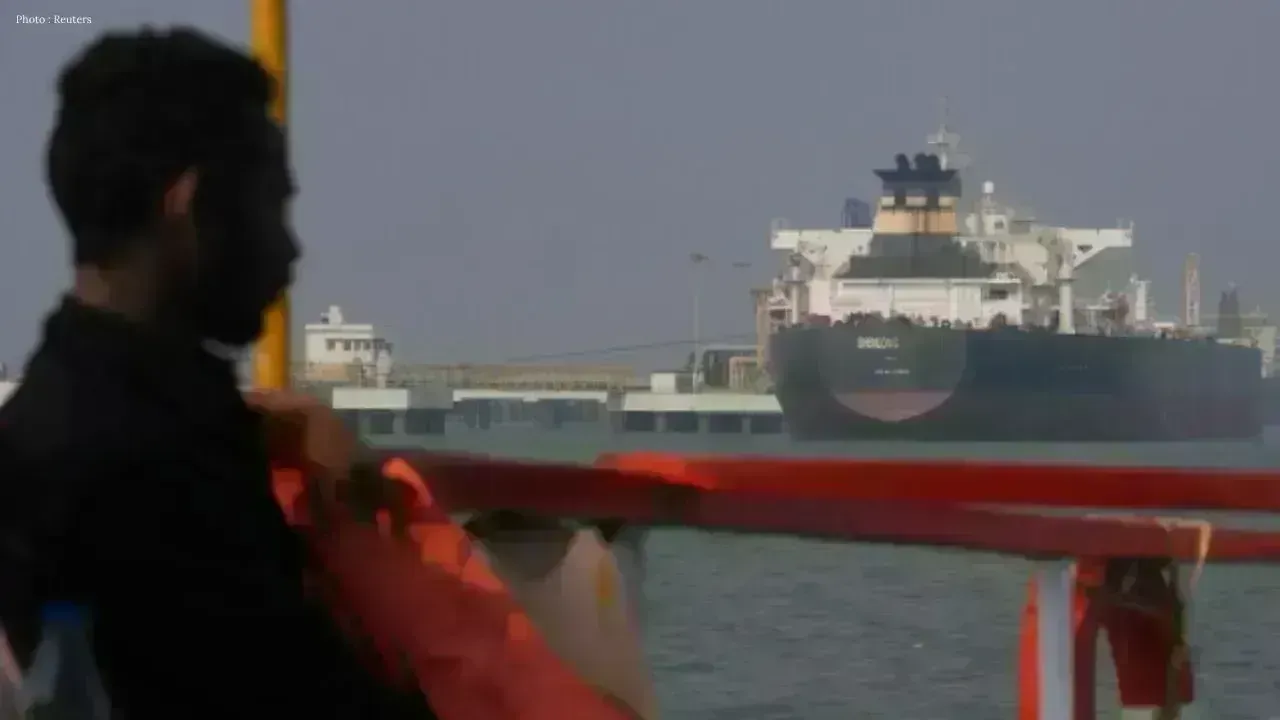
According to the US Treasury Department, these sanctions target various Iranian-affiliated oil tankers alleged to be involved in transporting crude oil in violation of US restrictions. The penalties extend to officials linked with Iran’s Strait and Port Authority, which the US claims has facilitated Iran’s oil exports amid recent regional conflicts. (reuters.com)
US officials state that these sanctions are meant to amplify economic pressure on Tehran while negotiations concerning Iran's nuclear program and regional security continue, particularly regarding the future of the critical Strait of Hormuz. The US accuses Iran of funneling oil revenues toward military activities, a claim Iranian officials have consistently refuted.
This announcement arrives at a pivotal moment, with both nations contemplating a potential 60-day extension to the current ceasefire agreement. Under the proposed terms, Iran would reopen the Strait of Hormuz for international shipping and scale back military activities in exchange for limited sanctions relief. (aljazeera.com)
Although negotiations show some promise, these new sanctions indicate that the US intends to maintain economic pressure on Iran until a comprehensive accord is reached. American representatives elaborated that negotiations and sanctions are concurrently active to deter Iran from boosting oil exports prior to finalizing a deal.
Iran has responded vigorously to the new sanctions, criticizing the US for sending “contradictory messages” during ongoing peace talks. Officials from Tehran warned that these penalties could impair trust and complicate future diplomatic efforts, asserting that economic pressure will not alter Iran's fundamental national policies.
The Strait of Hormuz is a crucial maritime route, with a significant share of the world's oil exports passing through its waters. Military tensions in the region have previously obstructed shipping traffic and elevated global energy prices, with numerous vessels suffering attacks or blockades, raising concerns of a broader international crisis.
Energy markets were initially volatile following the sanctions introduction; oil prices saw a slight uptick due to fears of heightened instability in Gulf shipping. However, they later stabilized as news suggested that ceasefire discussions between the US and Iran were making headway.
Analysts highlight the intricate balance both nations are trying to maintain. While diplomats pursue temporary peace agreements alongside nuclear negotiations, the existing political and military distrust remains palpable after extended periods of conflict.
Experts indicate that the impending weeks will be crucial for the region's future. If ceasefire negotiations yield positive outcomes, a path may open for wider discussions surrounding sanctions relief, nuclear observation, regional security, and long-term stability in the Gulf. Conversely, ongoing sanctions, military confrontations, or political discord could jeopardize the delicate diplomatic progress achieved to date.










PM Modi Pays Tribute to Mahatma Gandhi, Urges People to Support Khadi
PM Modi pays tribute to Mahatma Gandhi on Gandhi Jayanti and urges citizens to support Khadi and the

Amazon Seeks to Offload $8 Billion in Nvidia Chips to Investors
Amazon plans to move $8 billion in Nvidia chips to investors, using a new financing model to strengt

Samsung Raises Galaxy S26 Prices as Memory Chip Costs Rise
Samsung raises Galaxy S26 prices in South Korea as rising memory chip costs put pressure on smartpho

Lewis Hamilton Calls Singapore Grand Prix One of F1's Toughest Races
Lewis Hamilton discusses the demanding Singapore Grand Prix and brings Plus44 and Almave to Singapor

Denmark's Pandora Opens World's Largest Jewellery Factory in Vietnam
Pandora opens its largest jewellery factory in Vietnam, expanding global production, strengthening s

Gautam Gambhir Questions Batting-Friendly Pitches After India's Record ODI Chase
Gautam Gambhir questions batting-friendly ODI pitches after India’s record chase, calling for a bett

