
You have not yet added any article to your bookmarks!
Join 10k+ people to get notified about new posts, news and tips.
Do not worry we don't spam!
Post by : Rameen Ariff
In a groundbreaking enhancement of bilateral ties, the United States and Saudi Arabia have finalized key agreements focused on civil nuclear energy and defense collaboration during Crown Prince Mohammed bin Salman’s notable visit to Washington. The White House heralded these agreements as a significant move towards sustained security and stability.
Central to these discussions was a joint commitment towards civil nuclear technology, which opens the door for a multibillion-dollar initiative designed to cultivate Saudi Arabia’s nuclear capabilities over the long haul. The White House emphasized that this accord establishes a robust legal framework rooted in stringent non-proliferation guidelines, ensuring nuclear technology remains peaceful.
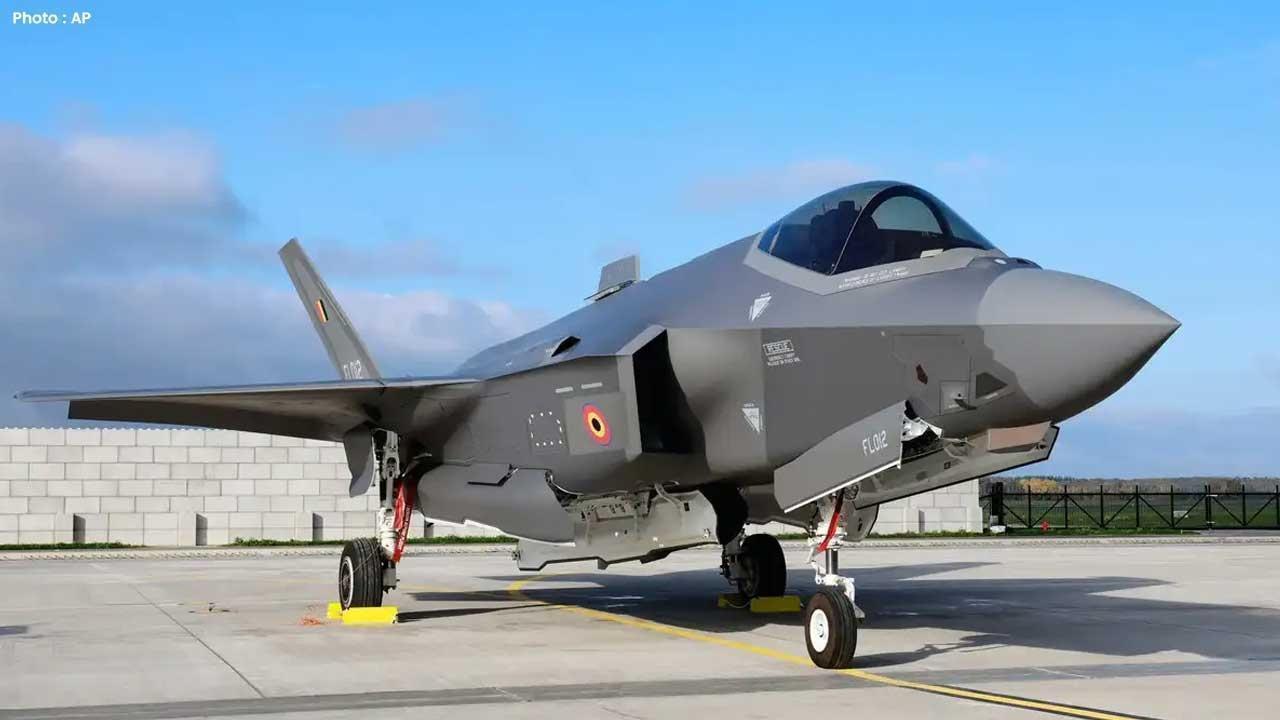
In conjunction with the energy agreement, President Donald Trump has greenlit a substantial defense deal, which features the sale of the highly sought-after F-35 fighter jets to Saudi Arabia. Known as one of the most advanced stealth aircraft globally, the F-35 epitomizes the deepening military bond during a time of evolving geopolitical contexts in the Middle East.
This development marks a pivotal turning point, as the US has generally restricted the export of its most advanced military technology within the region. It demonstrates Washington’s growing trust in Riyadh as a reliable security ally.
During their discussions at the White House, President Trump and Crown Prince Mohammed bin Salman emphasized the necessity of fostering connections in defense, energy, and the burgeoning fields of technology. The dialogue also highlighted prospects for collaboration in AI, cybersecurity, and the broader aspects of regional stability.
These agreements are anticipated to alter the balance of power in the Gulf, advance Saudi Arabia’s defense modernization efforts, and further amplify America’s influence in an environment increasingly competitive with other world powers.
As the Middle East faces new challenges, energy transitions, and diplomatic shifts, the US-Saudi partnership—now bolstered by nuclear cooperation and advanced military capabilities—emerges as one of the year’s most impactful strategic advancements.










PM Modi Pays Tribute to Mahatma Gandhi, Urges People to Support Khadi
PM Modi pays tribute to Mahatma Gandhi on Gandhi Jayanti and urges citizens to support Khadi and the

Amazon Seeks to Offload $8 Billion in Nvidia Chips to Investors
Amazon plans to move $8 billion in Nvidia chips to investors, using a new financing model to strengt

Samsung Raises Galaxy S26 Prices as Memory Chip Costs Rise
Samsung raises Galaxy S26 prices in South Korea as rising memory chip costs put pressure on smartpho

Lewis Hamilton Calls Singapore Grand Prix One of F1's Toughest Races
Lewis Hamilton discusses the demanding Singapore Grand Prix and brings Plus44 and Almave to Singapor

Denmark's Pandora Opens World's Largest Jewellery Factory in Vietnam
Pandora opens its largest jewellery factory in Vietnam, expanding global production, strengthening s

Gautam Gambhir Questions Batting-Friendly Pitches After India's Record ODI Chase
Gautam Gambhir questions batting-friendly ODI pitches after India’s record chase, calling for a bett

