
You have not yet added any article to your bookmarks!
Join 10k+ people to get notified about new posts, news and tips.
Do not worry we don't spam!
Post by : Saif Rahman
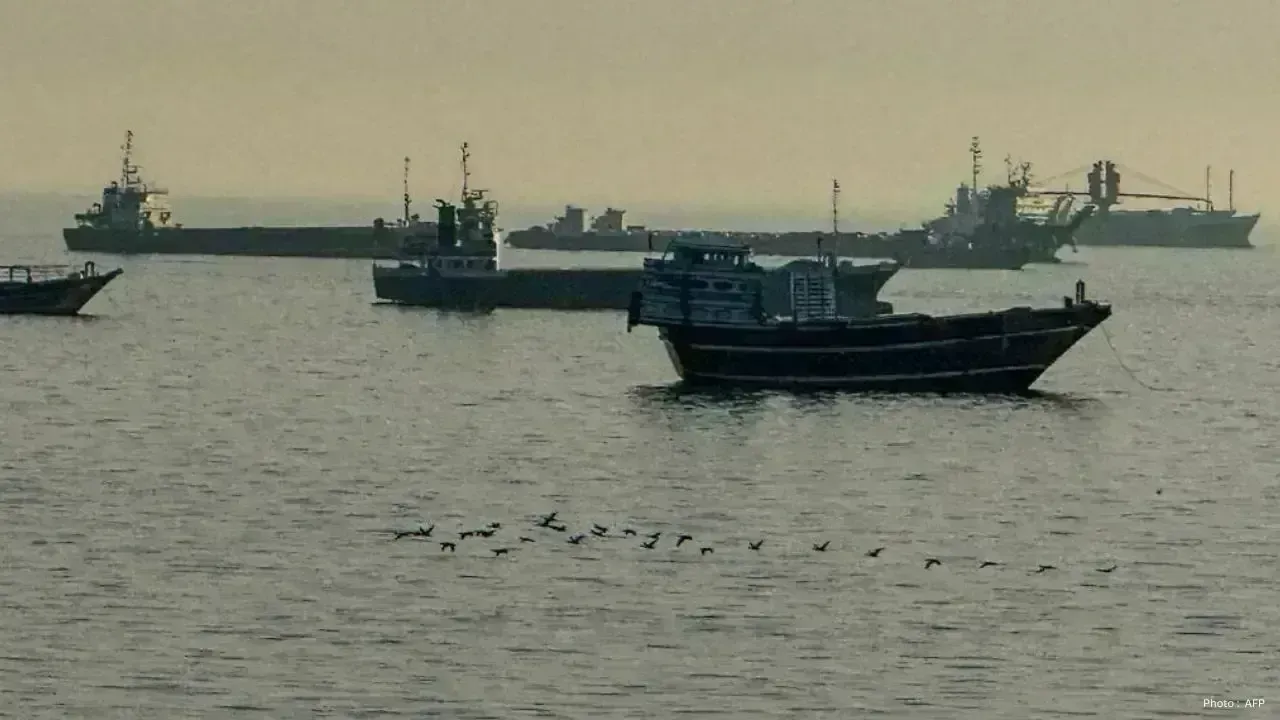
Military tensions are once again ramping up in the Gulf region following US strikes on Iranian military targets over the weekend. Concurrently, Kuwait has reported a series of missile and drone attacks, intensifying worries about regional stability and the security of vital trade routes.
The latest events have captured global attention as the Gulf is a critical hub for energy supplies and international trade. Escalating conflicts not only impact Middle Eastern nations but can also ripple through global economies.
New Military Engagement
In a weekend operation, US forces targeted Iranian military facilities. Officials characterized the strikes as a direct response to perceived threats toward American interests and allies in the region. This incident marks another chapter in the continuing saga of US-Iran relations, which have been fraught with tension for years.
The operation occurred against a backdrop of heightened security concerns. Regional governments have been vigilant about military maneuvers, anxious that direct confrontations might escalate into broader conflicts. Despite ongoing verbal warnings between the parties involved, recent incidents indicate that sensitivities remain high.
Reports suggest that the strikes were intended to diminish military capabilities that could potentially be directed against US personnel, allies, or commercial shipping lanes. Such operations are often tactically planned to signal intent without resulting in full-scale war. Yet, military engagements inherently carry the risk of backlash.
Kuwait's New Missile and Drone Threats
Contributing to the regional uncertainty, Kuwait reported fresh incidents of missile and drone strikes shortly after the US operations. These occurrences underline the increasing reliance on unmanned systems and advanced weaponry in contemporary military conflicts.
The emergence of drone technology has significantly altered security dynamics across the Middle East, capable of long-distance travel to hit infrastructure while also instilling fear, even with minimal physical damage. Similarly, missiles pose substantial threats, targeting military installations, energy infrastructure, and critical transport networks.
The recent events have heightened fears that escalating tensions may not be confined to one nation, posing a broader risk to neighboring countries. Gulf states have heavily invested in defense mechanisms, yet they continue to face challenges to their security frameworks.
Implications for Regional Stability
The Gulf region is vital for the global energy landscape, hosting several of the largest oil-producing nations and pivotal shipping routes. Disruptions in this area can have far-reaching implications for fuel prices and international commerce.
Businesses, investors, and government entities are acutely aware of developments in this region, as uncertainties can erode economic confidence. Even incidents that do not result in infrastructure damage can trigger alarms among shipping firms and energy stakeholders.
Across the region, political leaders are advocating for restraint and a focus on diplomatic avenues. Many nations are wary that a larger conflict could stifle economic growth, disrupt trade patterns, and prompt humanitarian crises. Stability is paramount for nations reliant on safe transport routes and robust commercial relationships.
Global Responses
International leaders have approached the latest incidents with caution. Many countries endorse initiatives to protect international shipping and ensure regional security, but there is a growing apprehension that escalating military encounters may destabilize the region further.
Diplomatic channels remain open as global leaders aim to avert further crises. International organizations and foreign ministries continue to push for dialogue and prudent decision-making, seeking to mitigate the risks of miscalculations that may trigger a more significant crisis.
Countries with vested economic interests in the Gulf region are closely monitoring the unfolding situation. Nations that rely on energy imports are particularly aware that continued instability could disrupt supply chains and market dynamics.
The Necessity for Diplomatic Engagement
The recent developments underscore the critical need for diplomatic initiatives. While military maneuvers may temporarily address specific security challenges, sustainable stability often hinges on political resolutions. Key regional powers, international allies, and global organizations must collectively foster dialogue.
Historical lessons indicate that tensions in the Middle East can swiftly impact neighboring regions and global markets. Thus, ongoing diplomatic endeavors are vital for preventing further hostilities and ensuring peace.
Governments involved in the current conflicts are faced with challenging choices. They must strike a balance between safeguarding national security and avoiding measures that could escalate tensions. Thoughtful communication and strategic collaboration may help mitigate risks in the weeks ahead.
The recent US strikes on Iranian military sites, alongside Kuwait's reports of fresh missile and drone attacks, have introduced new layers of uncertainty into an already precarious security landscape, emphasizing the challenges confronted by Gulf nations in safeguarding their interests while preventing a broader confrontation.






PM Modi Pays Tribute to Mahatma Gandhi, Urges People to Support Khadi
PM Modi pays tribute to Mahatma Gandhi on Gandhi Jayanti and urges citizens to support Khadi and the

Amazon Seeks to Offload $8 Billion in Nvidia Chips to Investors
Amazon plans to move $8 billion in Nvidia chips to investors, using a new financing model to strengt

Samsung Raises Galaxy S26 Prices as Memory Chip Costs Rise
Samsung raises Galaxy S26 prices in South Korea as rising memory chip costs put pressure on smartpho

Lewis Hamilton Calls Singapore Grand Prix One of F1's Toughest Races
Lewis Hamilton discusses the demanding Singapore Grand Prix and brings Plus44 and Almave to Singapor

Denmark's Pandora Opens World's Largest Jewellery Factory in Vietnam
Pandora opens its largest jewellery factory in Vietnam, expanding global production, strengthening s

Gautam Gambhir Questions Batting-Friendly Pitches After India's Record ODI Chase
Gautam Gambhir questions batting-friendly ODI pitches after India’s record chase, calling for a bett

