
You have not yet added any article to your bookmarks!
Join 10k+ people to get notified about new posts, news and tips.
Do not worry we don't spam!
Post by : Saif Rahman
The recent airstrikes by the United States on military-associated locations within Iran have significantly heightened regional tensions, eliciting a rapid counteraction from Iranian forces. This situation has drawn international attention, with both nations indicating their willingness to engage in further defensive actions if necessary. The fragility of the security dynamics between the two countries is again underscored by the latest developments.
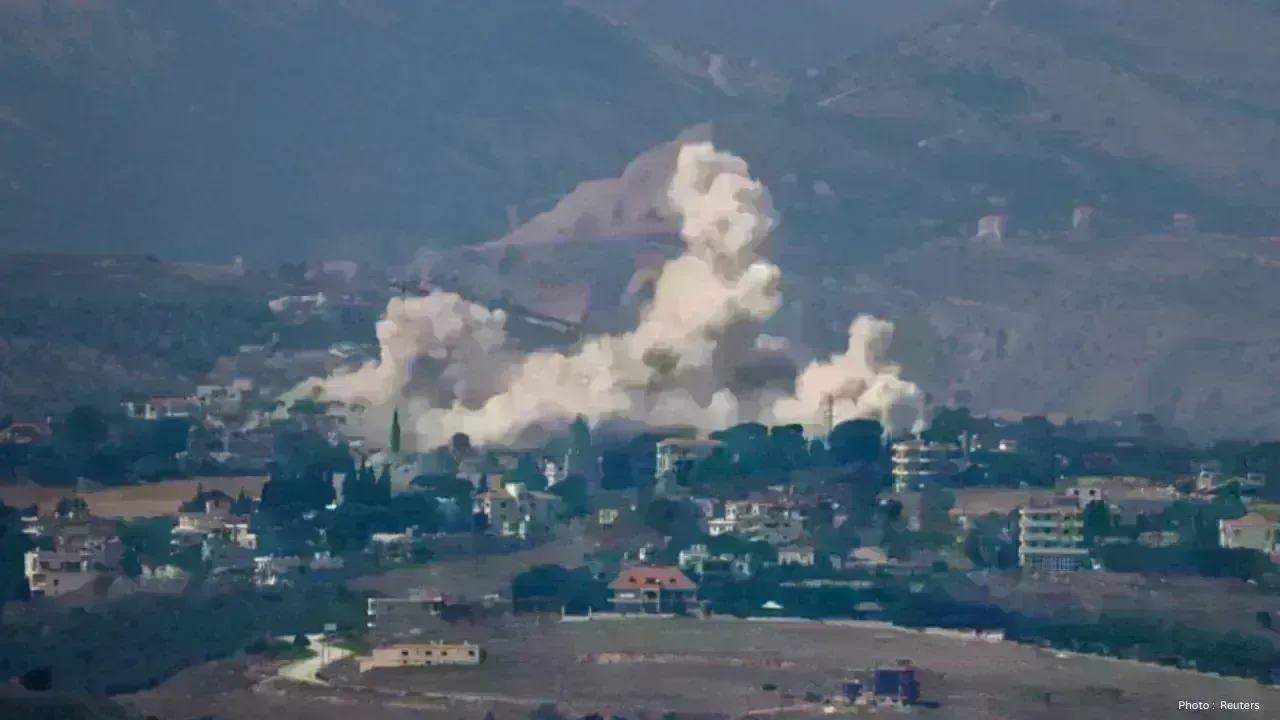
Official reports confirm that the United States targeted sites believed to be integral to Iran's military operations, actions characterized as essential in mitigating threats and upholding regional safety interests. Following the strikes, officials in Iran responded by attacking a military airbase associated with U.S. presence, signaling a swift escalation in hostilities.
The volley of strikes intensifies the already strained relations between the United States and Iran. Each side has issued staunch defenses of its actions, accompanied by warnings against further provocations. The precarious situation has cultivated uncertainty in both global political and energy sectors, as stakeholders monitor the evolving landscape.
From a macro perspective, this escalation illustrates how swiftly regional disputes can burgeon into broader security challenges. Civilian safety is of paramount concern, as ongoing military engagements could adversely impact neighboring populations and assets. Observers worldwide have voiced their concerns that continuing retaliatory actions might spiral into a protracted and intricate conflict.
Additionally, the escalating tensions between the two nations hold potential ramifications for global oil supply chains and market stability. Historical patterns show that instability in the Middle East often triggers significant market reactions, and this situation is no exception. Energy prices and shipping vulnerabilities could face notable challenges should the conflict escalate further.
While diplomatic channels may be in motion behind the scenes, the erosion of trust between both parties is palpable. Efforts to mitigate tensions have frequently stumbled over discrepancies regarding security frameworks and regional authority. Absent continuous dialogue, the cycle of aggressive action may persist.
The recent military exchanges between the United States and Iran signify a pivotal juncture in regional relations. Despite justifying their actions as defensive, the potential for escalating confrontations remains acute. Achieving a stable resolution will likely hinge on revitalized discussions, clear communication, and proactive involvement from international leaders to avert further military actions.










PM Modi Pays Tribute to Mahatma Gandhi, Urges People to Support Khadi
PM Modi pays tribute to Mahatma Gandhi on Gandhi Jayanti and urges citizens to support Khadi and the

Amazon Seeks to Offload $8 Billion in Nvidia Chips to Investors
Amazon plans to move $8 billion in Nvidia chips to investors, using a new financing model to strengt

Samsung Raises Galaxy S26 Prices as Memory Chip Costs Rise
Samsung raises Galaxy S26 prices in South Korea as rising memory chip costs put pressure on smartpho

Lewis Hamilton Calls Singapore Grand Prix One of F1's Toughest Races
Lewis Hamilton discusses the demanding Singapore Grand Prix and brings Plus44 and Almave to Singapor

Denmark's Pandora Opens World's Largest Jewellery Factory in Vietnam
Pandora opens its largest jewellery factory in Vietnam, expanding global production, strengthening s

Gautam Gambhir Questions Batting-Friendly Pitches After India's Record ODI Chase
Gautam Gambhir questions batting-friendly ODI pitches after India’s record chase, calling for a bett

