
You have not yet added any article to your bookmarks!
Join 10k+ people to get notified about new posts, news and tips.
Do not worry we don't spam!
Post by : Badri Ariffin
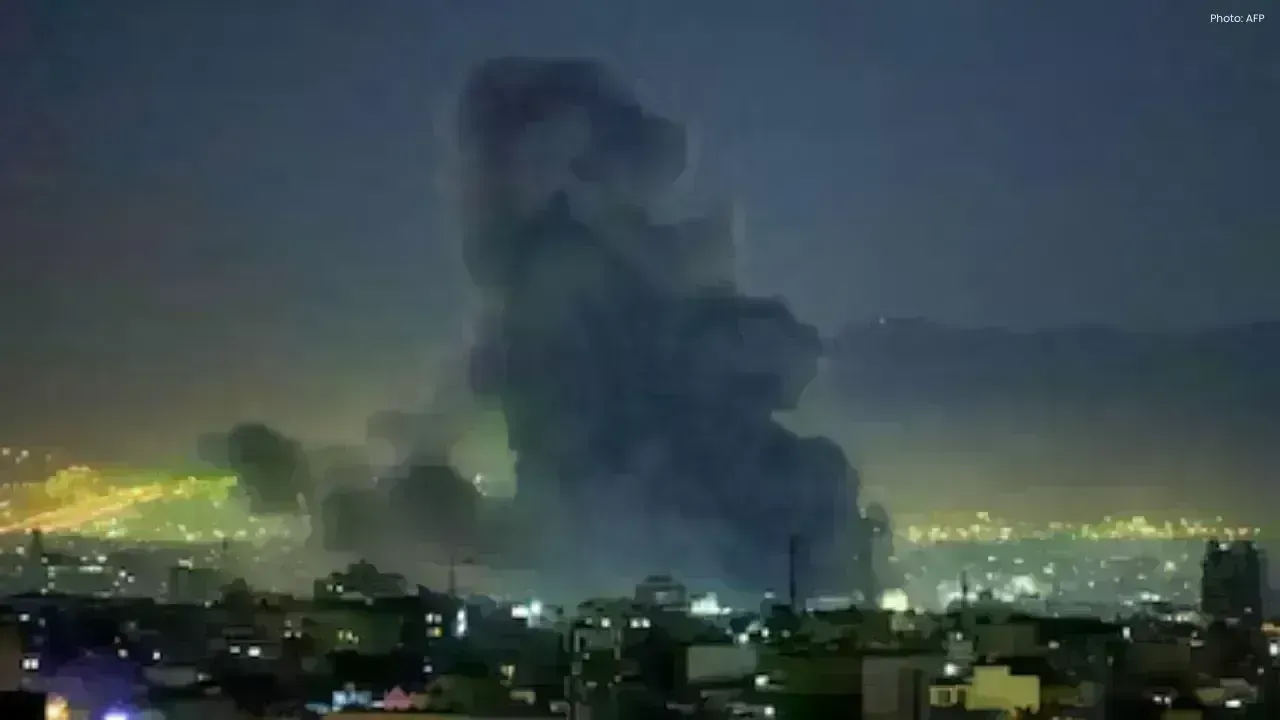
According to a report from The Wall Street Journal, the United Arab Emirates has allegedly executed a series of airstrikes within Iran, responding to ongoing regional tensions after a US-brokered ceasefire in April. This claims suggests a more direct Emirati engagement in the conflict, potentially altering perceptions of its role in maintaining Gulf security.
The military actions reportedly targeted key strategic sites, including a refinery on Lavan Island and facilities on Qeshm and Abu Musa islands in close proximity to the Strait of Hormuz, as well as the bustling port city of Bandar Abbas and the critical petrochemical hub at Asaluyeh.
The strike on the Asaluyeh energy facility drew significant international scrutiny due to its pivotal role in Iran’s energy infrastructure. This led to heightened concerns about possible disruptions to regional energy supplies and fears of escalated conflict, prompting the US to urge Israel to refrain from further attacks on Iranian energy sites.
The Wall Street Journal highlights that the UAE conducted these operations in close cooperation with American and Israeli forces as part of a broader military strategy against Iran, a campaign reportedly ongoing despite the proclaimed ceasefire, signifying the complex interplay within these military engagements.
This shift in strategy marks a significant change from the historically cautious stance adopted by Gulf nations amidst escalating regional crises. Previously, several Gulf nations publicly committed to avoiding military involvement against Iran, driven by worries over the potential repercussions and regional instability.
The report also notes emerging rifts among Gulf partners during the conflict. Sources indicate that UAE President Sheikh Mohammed bin Zayed Al Nahyan expressed irritation with Saudi Crown Prince Mohammed bin Salman after Riyadh opted out of the anti-Iran operations early in the confrontation.
Saudi Arabia later shared apprehensions with the US, suggesting that the Emirati military ventures could provoke Iranian retaliation against key Gulf infrastructure, including oil facilities and ports, urging US intervention to mitigate further escalation.
Significant Costs for the UAE
The broader conflict imposed heavy costs on the UAE, as Iran launched an extensive campaign utilizing ballistic and cruise missiles, alongside armed drones. Over 2,800 projectiles were reportedly directed at a nation housing essential American military bases and considered one of Washington’s closest allies in the region.
Despite advanced THAAD and Patriot missile defense systems deployed in the UAE, some assaults succeeded in bypassing defense mechanisms, resulting in casualties and infrastructure damages.
According to the report, at least 13 individuals lost their lives, including two Emirati servicemen and ten foreign workers, with over 224 others suffering injuries.
Several vital facilities sustained damage; notably, Terminal 3 at Dubai International Airport faced disruptions due to a strike on March 1, which prompted evacuations and injuries. Additionally, fires erupted at Jebel Ali Port from missile debris, while two significant oil storage tanks at the Fujairah Petroleum Hub burned for several days, interfering with shipping and fuel operations.
Economic Consequences in Billions
Beyond the physical toll, the conflict greatly pressured the UAE economy.
Reports estimate that nearly $120 billion in market value vanished from the stock exchanges in Dubai and Abu Dhabi amid growing investor unease and security fears. Furthermore, aviation operations faced notable disruptions due to recurring missile alerts and temporary runway closures at Dubai International Airport.
Analysts suggested that every minute of halted runway activity could lead to losses nearing $1 million, underlining the airport's significance as one of the busiest international transit points.
The real estate sector also saw declines, with property transactions dropping and housing prices in certain regions decreasing by as much as 15 percent as investor caution grew amid the regional turmoil.
Meanwhile, instability around the Strait of Hormuz — a crucial maritime trade route — disrupted shipping and raised crucial concerns over energy transportation through the Gulf.
The United Nations Development Programme (UNDP) projected that ongoing regional unrest could result in a nearly five percent reduction in the UAE's gross domestic product. Should this occur, it would symbolize the most significant economic downturn since the Covid-19 pandemic, jeopardizing the nation’s status as a stable global finance and trade hub.
While the revelations from The Wall Street Journal report have attracted considerable attention, they underscore how deeply the conflict has influenced regional security frameworks and heightened fears of broader confrontations across the Gulf.








PM Modi Pays Tribute to Mahatma Gandhi, Urges People to Support Khadi
PM Modi pays tribute to Mahatma Gandhi on Gandhi Jayanti and urges citizens to support Khadi and the

Amazon Seeks to Offload $8 Billion in Nvidia Chips to Investors
Amazon plans to move $8 billion in Nvidia chips to investors, using a new financing model to strengt

Samsung Raises Galaxy S26 Prices as Memory Chip Costs Rise
Samsung raises Galaxy S26 prices in South Korea as rising memory chip costs put pressure on smartpho

Lewis Hamilton Calls Singapore Grand Prix One of F1's Toughest Races
Lewis Hamilton discusses the demanding Singapore Grand Prix and brings Plus44 and Almave to Singapor

Denmark's Pandora Opens World's Largest Jewellery Factory in Vietnam
Pandora opens its largest jewellery factory in Vietnam, expanding global production, strengthening s

Gautam Gambhir Questions Batting-Friendly Pitches After India's Record ODI Chase
Gautam Gambhir questions batting-friendly ODI pitches after India’s record chase, calling for a bett

