You have not yet added any article to your bookmarks!
Join 10k+ people to get notified about new posts, news and tips.
Do not worry we don't spam!

Post by : Shakul
The Japanese yen remained near the critical 160-per-dollar level for a third consecutive trading session as global investors closely monitored developments in the Gulf region and their impact on financial markets. Rising geopolitical uncertainty has strengthened demand for the US dollar, placing additional pressure on the Japanese currency.
Currency traders around the world have been reacting to escalating tensions in the Gulf, which have increased concerns about global energy supplies and economic stability. In periods of uncertainty, investors often seek the perceived safety of the US dollar, helping the American currency gain ground against several major global currencies.
The yen's weakness has become a key focus for financial markets and policymakers in Japan. The 160 level is widely viewed as an important psychological threshold because previous declines toward this level prompted concerns about excessive currency volatility and potential intervention by Japanese authorities.
Analysts note that higher energy prices resulting from geopolitical tensions could further complicate Japan's economic outlook. As a major importer of oil and natural gas, Japan is particularly vulnerable to fluctuations in global energy markets. A weaker yen increases the cost of imports, adding pressure on businesses and consumers.
At the same time, the strength of the US dollar continues to be supported by investor confidence in the American economy and expectations surrounding future monetary policy decisions. This combination of factors has widened the gap between the two currencies and contributed to ongoing market volatility.
Financial institutions and investors are now closely watching signals from the Bank of Japan and government officials. Any indication of intervention or policy adjustment could have a significant impact on currency markets and investor sentiment in the coming weeks.
Despite current challenges, market experts believe exchange rates will remain heavily influenced by geopolitical developments and global economic conditions. As uncertainty persists in international markets, the yen and the dollar are expected to remain at the center of investor attention, with future movements likely to depend on both policy decisions and regional stability.








Lamborghini Catches Fire on Singapore's ECP, Causing Heavy Traffic
A Lamborghini caught fire on Singapore's ECP, causing heavy traffic and bus delays. No injuries were

Bangkok Airport Duty-Free Area Flooded by Pipe Burst
A burst water pipe flooded the duty-free shopping area at Bangkok's Suvarnabhumi Airport on July 16,
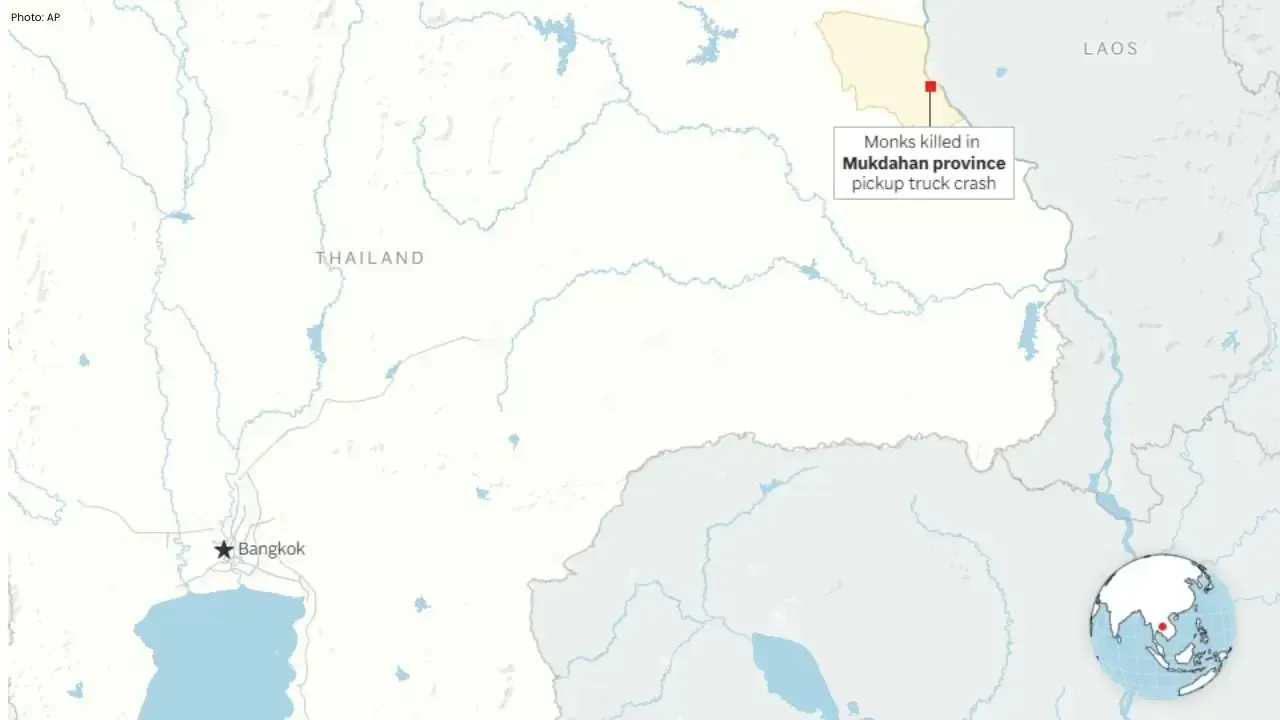
Nine Monks Killed in Thailand Pickup Truck Tragedy
An 11-year-old boy driving a pickup truck crashed into monks during a pilgrimage in northeastern Tha

Anwar Congratulates Xi on CPC's 105th Anniversary
Malaysia reaffirms strong ties with China as PM Anwar Ibrahim sends a congratulatory letter to Presi

Thai Agriculture Team Reviews 2026 Farm Development Plans
Agriculture Ministry officials inspected livestock and organic rice projects in Nakhon Sawan to moni

Thailand, Canada Boost Ties in PM-Level Phone Talks
Thailand and Canada agreed to strengthen trade, security, OECD cooperation and ASEAN-Canada FTA talk