
You have not yet added any article to your bookmarks!
Join 10k+ people to get notified about new posts, news and tips.
Do not worry we don't spam!
Post by : Shweta
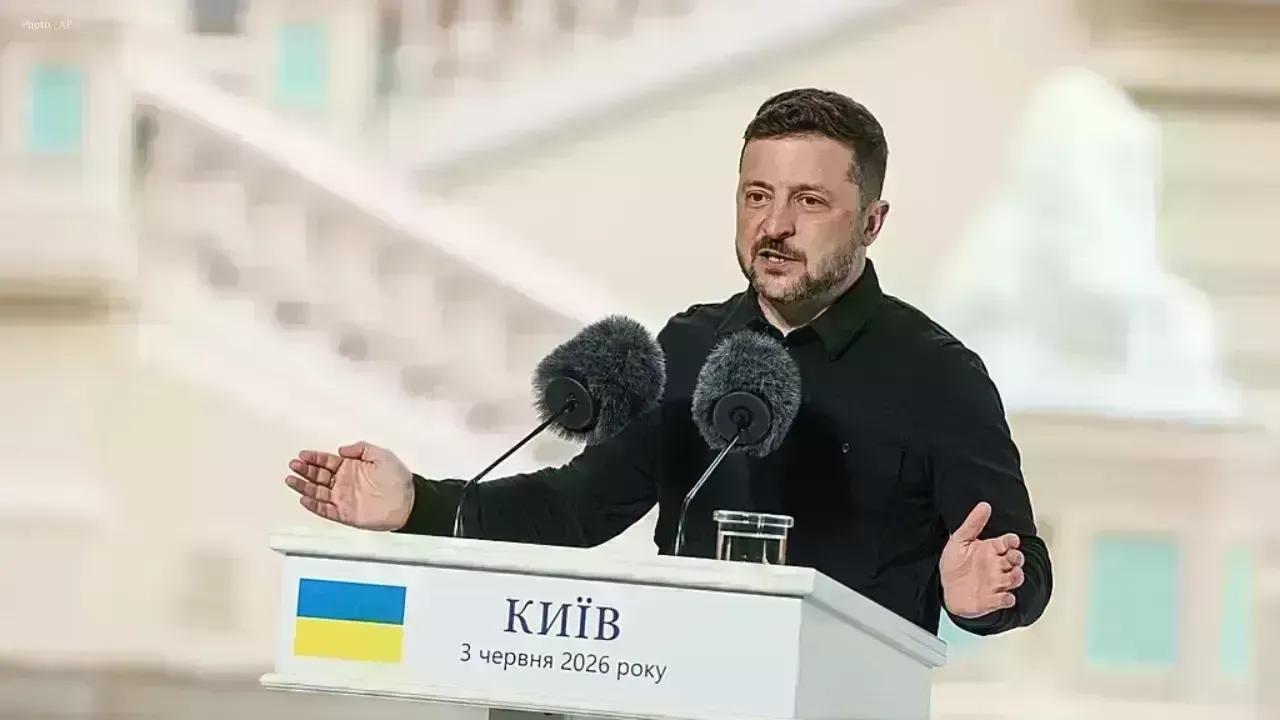
Ukrainian President Volodymyr Zelenskyy has urged for an in-person meeting with Russian President Vladimir Putin to propel discussions aimed at concluding the war between their nations. In a public letter to the Russian leader, Zelenskyy stressed the necessity of direct dialogue, suggesting that such personal engagement could effectively address critical issues and pave the way for peace after prolonged hostility.
This proposal surfaces amid an ongoing conflict that has had severe military, humanitarian, and economic ramifications not just for Ukraine, but for the entire global community. Despite ongoing diplomatic efforts, negotiations have frequently faltered, with fighting persisting across various regions of Ukraine.
Zelenskyy highlighted the essence of direct communication between the two nations' leaders. He proposed that a personal meeting would allow for a thorough discussion of the most challenging obstacles hindering progress towards a resolution. The Ukrainian leader posited that impactful dialogue at the highest level may help diminish hostilities while exploring potential pathways to resolve the conflict.
The initiative underscores Ukraine's persistent pursuit of diplomatic solutions, complementing military and international backing. Ukrainian officials have reiterated that any lasting peace accord must uphold the country’s sovereignty, territorial integrity, and security interests. Kyiv remains steadfast that negotiations ought to result in a sustainable and equitable resolution, not merely a temporary ceasefire.
Russia has yet to respond regarding whether Putin would entertain the offer for direct discussions. Moscow has maintained a stance of openness to talks under specific conditions but has also reiterated its own security interests concerning the conflict. The two parties' positions diverge significantly on numerous key matters, complicating the negotiation landscape.
International leaders persistently advocate for diplomatic avenues to mitigate violence and advance towards peaceful resolutions. Governments from Europe, North America, and beyond repeatedly emphasize the importance of dialogue while vigilantly tracking developments on the frontline and in diplomatic forums.
The war's repercussions extend well beyond Ukraine and Russia, impacting global energy prices, disrupting supply chains, and influencing food security across various regions, alongside escalating geopolitical tensions. Efforts to rejuvenate serious peace discussions remain focal points of international interest.
Analysts suggest that direct encounters between leaders can sometimes break through diplomatic stalemates that lower-level talks struggle to resolve. Personal discussions enable leaders to communicate directly, clarify stances, and negotiate compromises, though experts caution that success in such meetings typically necessitates substantial preparatory groundwork conducted through diplomatic means.
Past attempts to negotiate an end to the conflict have met with multiple barriers, including disagreements concerning territory, security assurances, military withdrawals, and the future governance of conflict-affected regions. These matters represent significant hurdles in any conceivable peace process.
Zelenskyy’s latest proposal comes at a juncture where both military activities and diplomatic endeavors remain ongoing. While there have been sporadic communications between Ukraine and Russia's representatives, no substantial advancements have arisen in recent times. International mediators and partner nations continue to champion efforts aimed at abating hostilities and fostering dialogue.
Observers believe Zelenskyy’s correspondence could symbolize both a diplomatic overture and a public assertion of Ukraine's willingness to engage in future discussions regarding the conflict's resolution. Whether this invitation translates to formal negotiations or a personal summit between the two leaders remains uncertain.
The forthcoming response from Moscow will be scrutinized closely by governments, international entities, and security experts around the globe. Any signals of renewed diplomatic outreach could substantially affect prospects for ceasefires, humanitarian strategies, and broader peace movements.
Currently, this initiative underscores the unyielding quest for diplomatic resolutions to one of the most profound international conflicts of recent times. While significant disparities linger between the two nations, calls for direct dialogue reflect a widespread belief that enduring peace necessitates both negotiation and a shared commitment from both parties.
For continual major updates and comprehensive coverage, stay connected with us.









PM Modi Pays Tribute to Mahatma Gandhi, Urges People to Support Khadi
PM Modi pays tribute to Mahatma Gandhi on Gandhi Jayanti and urges citizens to support Khadi and the

Amazon Seeks to Offload $8 Billion in Nvidia Chips to Investors
Amazon plans to move $8 billion in Nvidia chips to investors, using a new financing model to strengt

Samsung Raises Galaxy S26 Prices as Memory Chip Costs Rise
Samsung raises Galaxy S26 prices in South Korea as rising memory chip costs put pressure on smartpho

Lewis Hamilton Calls Singapore Grand Prix One of F1's Toughest Races
Lewis Hamilton discusses the demanding Singapore Grand Prix and brings Plus44 and Almave to Singapor

Denmark's Pandora Opens World's Largest Jewellery Factory in Vietnam
Pandora opens its largest jewellery factory in Vietnam, expanding global production, strengthening s

Gautam Gambhir Questions Batting-Friendly Pitches After India's Record ODI Chase
Gautam Gambhir questions batting-friendly ODI pitches after India’s record chase, calling for a bett

