
You have not yet added any article to your bookmarks!
Join 10k+ people to get notified about new posts, news and tips.
Do not worry we don't spam!
Post by : Shakul
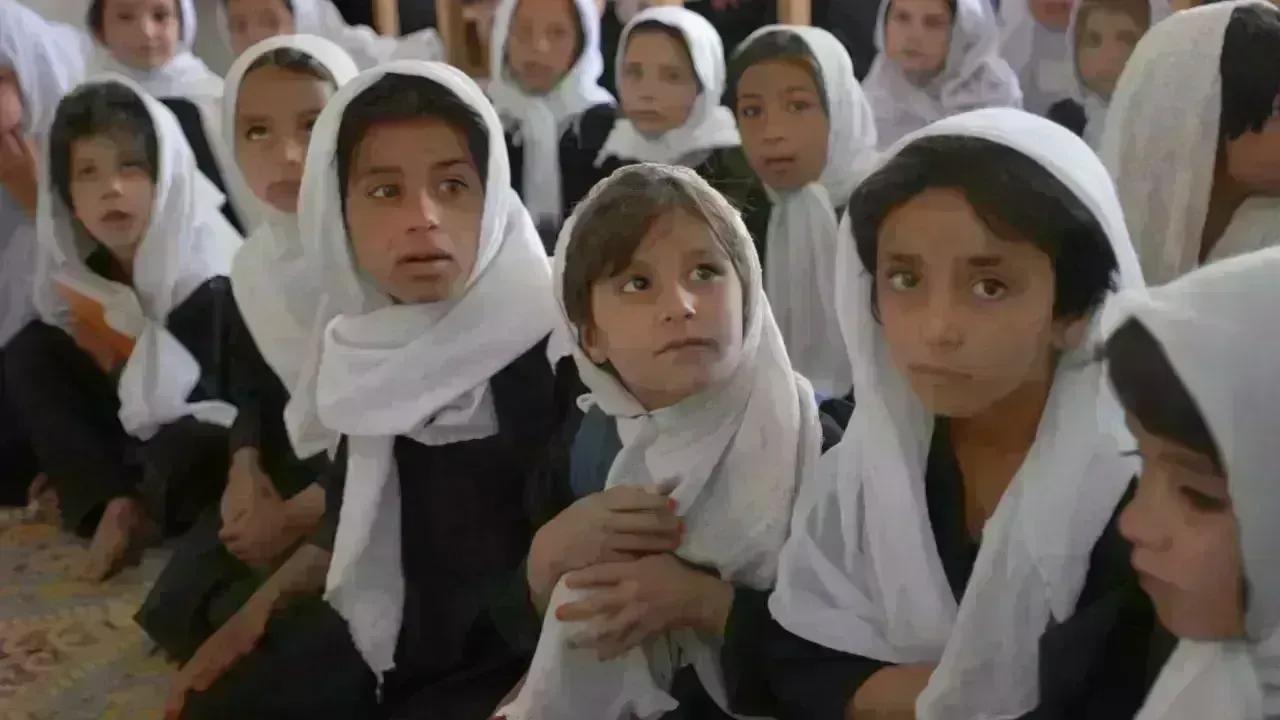
A growing number of young women in Afghanistan are facing forced marriages and disappearing educational opportunities nearly five years after the Taliban banned girls from secondary schools and universities. Many girls say their dreams of becoming doctors, pilots and professionals have been shattered as strict restrictions continue to isolate women from public life.
Nineteen-year-old Alia traveled hundreds of miles from her home province to Kabul after learning that her family planned to arrange her marriage. Disguised under full traditional coverings and traveling without a male guardian, she secretly took a taxi journey with her cousin to escape mounting pressure. Reaching Kabul safely, she enrolled in a private English language course, one of the few remaining educational opportunities available to Afghan women.
Alia said that before the Taliban returned to power, her parents strongly encouraged her studies and supported her dream of becoming a pilot. However, after schools and universities were closed to girls, her family gradually began seeing marriage as her only realistic future. She fears losing even the small freedoms she currently has if she is forced into a conservative household after marriage.
Across Afghanistan, many women now describe feeling trapped between strict social expectations and government restrictions. Another young woman named Shama revealed that she was forced into marriage four years ago after the Taliban takeover ended her education. She had hoped to become a doctor but instead became a mother at a young age. Although treated well by her husband, she says the pain of losing her education and independence continues to haunt her daily life.
Human rights organizations and the United Nations have repeatedly warned that the Taliban’s restrictions are creating one of the world’s most severe gender crises. According to UN estimates, if the education ban continues until 2030, more than two million Afghan girls will lose access to education beyond primary school. Experts fear the long-term effects will severely damage the country’s economic and social future.
The Taliban government has repeatedly offered changing explanations for the continued closure of girls’ schools, ranging from security concerns to awaiting leadership decisions. However, no clear timeline has been provided for reopening secondary schools and universities for girls. Many Afghan women now say they no longer believe education will resume under the current administration.
Restrictions on women in Afghanistan have expanded far beyond education. Women face strict dress codes, limits on travel, reduced employment opportunities and growing social isolation. Human rights activists argue that these measures are pushing more families toward arranging early marriages for daughters who are no longer allowed to study or work.
Despite the challenges, many Afghan girls continue resisting pressure to abandon their ambitions. Young women like Alia say they are determined to continue learning in whatever ways remain possible. Their stories have become powerful symbols of resilience and courage amid one of the harshest crackdowns on women’s rights in modern history.










PM Modi Pays Tribute to Mahatma Gandhi, Urges People to Support Khadi
PM Modi pays tribute to Mahatma Gandhi on Gandhi Jayanti and urges citizens to support Khadi and the

Amazon Seeks to Offload $8 Billion in Nvidia Chips to Investors
Amazon plans to move $8 billion in Nvidia chips to investors, using a new financing model to strengt

Samsung Raises Galaxy S26 Prices as Memory Chip Costs Rise
Samsung raises Galaxy S26 prices in South Korea as rising memory chip costs put pressure on smartpho

Lewis Hamilton Calls Singapore Grand Prix One of F1's Toughest Races
Lewis Hamilton discusses the demanding Singapore Grand Prix and brings Plus44 and Almave to Singapor

Denmark's Pandora Opens World's Largest Jewellery Factory in Vietnam
Pandora opens its largest jewellery factory in Vietnam, expanding global production, strengthening s

Gautam Gambhir Questions Batting-Friendly Pitches After India's Record ODI Chase
Gautam Gambhir questions batting-friendly ODI pitches after India’s record chase, calling for a bett

