
You have not yet added any article to your bookmarks!
Join 10k+ people to get notified about new posts, news and tips.
Do not worry we don't spam!

Post by : Shakul
Bangladesh is witnessing a growing political debate after its parliament rolled back several reforms that were introduced following the 2024 student-led uprising. The move has raised concerns among opposition parties and civil society groups about the future of democratic accountability in the country.
The current developments come after the ouster of former Prime Minister Sheikh Hasina and the subsequent interim administration led by Muhammad Yunus, which introduced a series of ordinances aimed at strengthening governance, human rights, and institutional independence.
Out of 133 ordinances reviewed by the new parliament, at least 23 key measures have either been repealed or allowed to lapse. These include reforms related to human rights oversight, judicial independence, anti-corruption mechanisms, and policing reforms that were considered central to restructuring state institutions.
Opposition leaders and activists argue that these changes weaken safeguards established after the uprising and risk concentrating power back into central authorities. They warn that removing legal protections may limit accountability and reduce transparency in governance.
The government, however, has defended its actions, stating that the review process is necessary to refine laws and remove inconsistencies. Officials have said that some reforms lacked clarity and would be reintroduced after broader consultation with stakeholders, including legal experts and civil society.
The rollback has also triggered protests and political mobilization across the country, reflecting deeper tensions over the direction of Bangladesh’s political transition. Analysts suggest that the issue goes beyond individual laws and represents a broader struggle over institutional power and reform.
Experts have cautioned that weakening legal frameworks related to human rights and judicial independence could have long-term implications. The coming months are expected to be crucial in determining whether the government moves forward with revised reforms or continues on its current legislative path.






APEC Members Emphasise Safe and Responsible Use of Artificial Intelligence
APEC members discuss responsible AI use, digital innovation and data governance as China and the US

Union of European Clubs Challenge UEFA and EFC Over EU Competition Rules
UEC files an EU competition complaint against UEFA and EFC, challenging club representation, governa

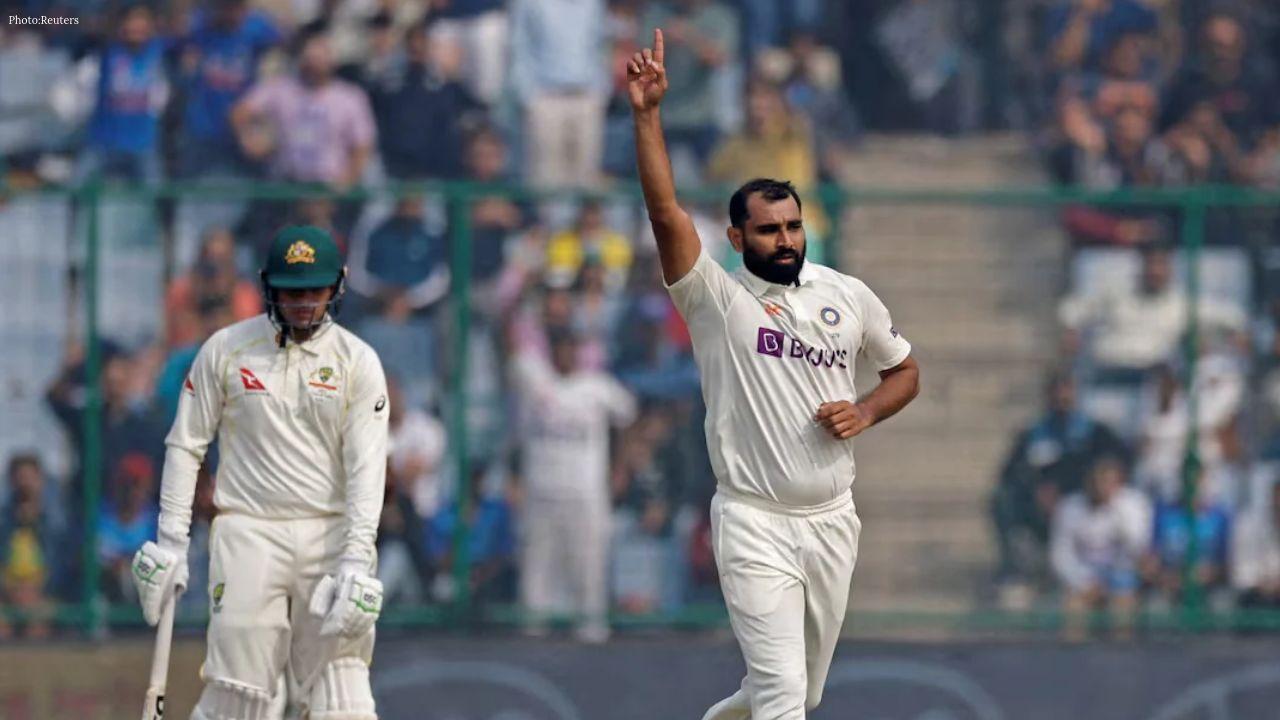
Mohammed Shami Retires From Test Cricket, Eyes White-Ball Career
Mohammed Shami retires from Test cricket after 13 years, with 229 wickets. He will continue playing

Singapore Warns Users About Privacy and Security Risks of AI Agents
Singapore warns users about AI agent security risks, data privacy, online scams and unauthorised acc

Chris Lynn Completes One-Month Ban After Positive Cocaine Test
Australian cricketer Chris Lynn completes a one-month ban after a positive cocaine test during the T

Djokovic Eyes Strong Season Finish as Health Improves Ahead of Paris Masters
Novak Djokovic reports improved health and performance as he targets a strong Paris Masters finish a