
You have not yet added any article to your bookmarks!
Join 10k+ people to get notified about new posts, news and tips.
Do not worry we don't spam!
Post by : Shakul
Authorities in Batam have started large-scale weather modification operations to protect the city’s water supply ahead of the expected impact of the El Niño climate phenomenon. Officials said the cloud seeding program began on May 15 and will continue for 20 days in cooperation with Indonesia’s Meteorological, Climatology and Geophysics Agency, known as BMKG.
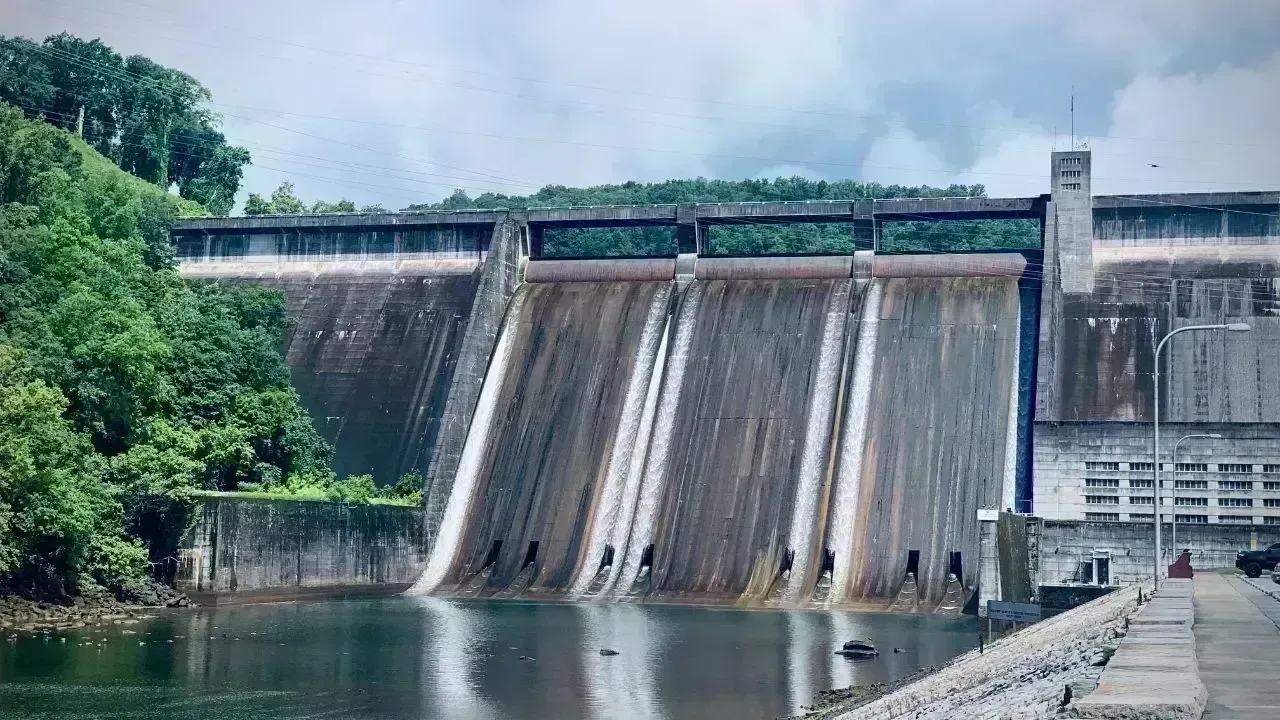
The operation was launched after water levels in Batam’s six main reservoirs dropped significantly in recent weeks. The falling water supply has raised concerns for both households and industries on the rapidly growing industrial island. Authorities are especially worried because Batam heavily depends on reservoir water for daily consumption and manufacturing activities.
The affected dams include Nongsa, Sei Ladi, Sei Harapan, Mukakuning, Tembesi, and Duriangkang. Officials said the declining water levels could become a serious challenge if dry weather conditions continue during the coming months. Batam is one of Indonesia’s key industrial and trade zones, making water security extremely important for economic stability.
BMKG’s Hang Nadim weather station head Ramlan Djambak explained that the El Niño phenomenon is expected to affect Indonesia differently across regions. While southern areas such as Java may experience more severe drought conditions, the Riau Islands region is still likely to face reduced rainfall and lower reservoir levels.
To increase rainfall, aircraft are being used to disperse salt particles into clouds, a process commonly known as cloud seeding. The technique encourages cloud condensation and rainfall formation in areas facing water shortages. Indonesian authorities have used similar weather modification programs in previous years to reduce drought risks and support agriculture.
Experts say the operation is a preventive step aimed at avoiding a larger water crisis in Batam. The city has seen rapid industrial expansion over the past decade, increasing pressure on local water resources. Manufacturing industries, residential areas, and commercial zones all depend heavily on stable water supplies.
The government is also closely monitoring weather patterns as global climate changes continue to affect Southeast Asia. Environmental experts have warned that stronger and longer dry seasons linked to El Niño could increase risks of drought, water shortages, and agricultural disruption in several parts of Indonesia.
Officials hope the cloud seeding operation will help maintain reservoir levels and provide enough water for both residents and industries until normal rainfall conditions return.










PM Modi Pays Tribute to Mahatma Gandhi, Urges People to Support Khadi
PM Modi pays tribute to Mahatma Gandhi on Gandhi Jayanti and urges citizens to support Khadi and the

Amazon Seeks to Offload $8 Billion in Nvidia Chips to Investors
Amazon plans to move $8 billion in Nvidia chips to investors, using a new financing model to strengt

Samsung Raises Galaxy S26 Prices as Memory Chip Costs Rise
Samsung raises Galaxy S26 prices in South Korea as rising memory chip costs put pressure on smartpho

Lewis Hamilton Calls Singapore Grand Prix One of F1's Toughest Races
Lewis Hamilton discusses the demanding Singapore Grand Prix and brings Plus44 and Almave to Singapor

Denmark's Pandora Opens World's Largest Jewellery Factory in Vietnam
Pandora opens its largest jewellery factory in Vietnam, expanding global production, strengthening s

Gautam Gambhir Questions Batting-Friendly Pitches After India's Record ODI Chase
Gautam Gambhir questions batting-friendly ODI pitches after India’s record chase, calling for a bett

