
You have not yet added any article to your bookmarks!
Join 10k+ people to get notified about new posts, news and tips.
Do not worry we don't spam!
Post by : Shakul
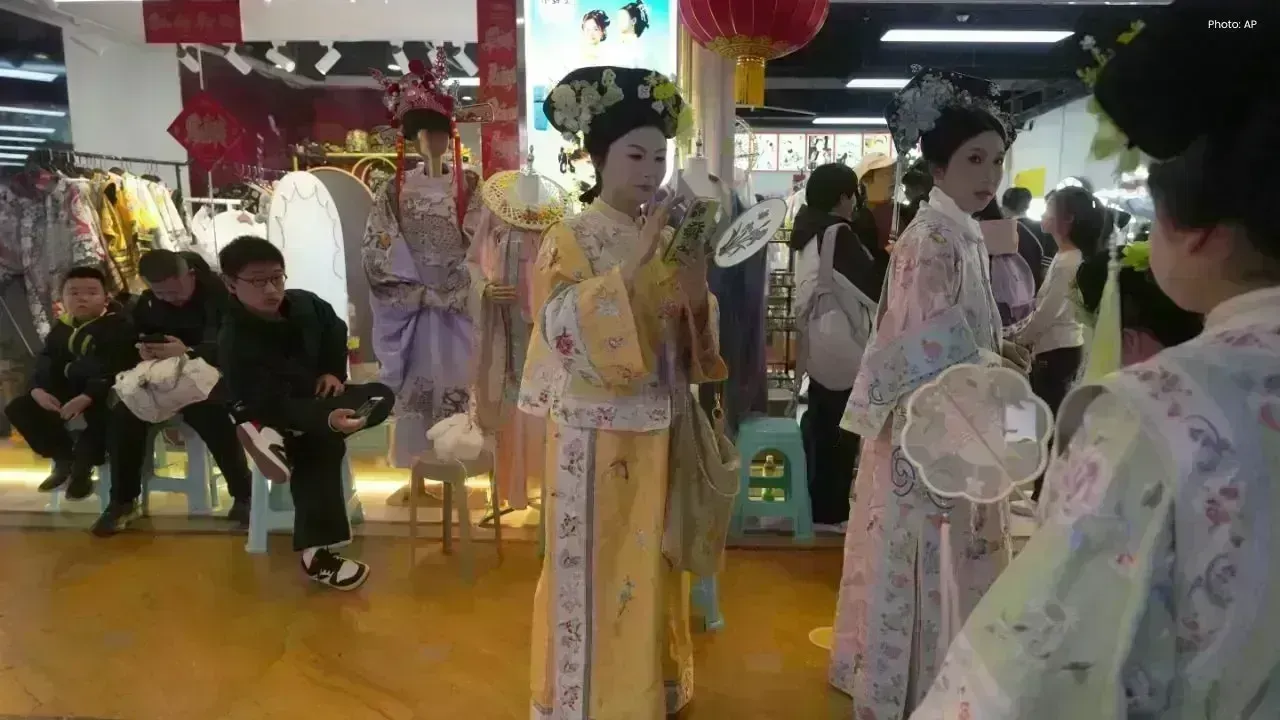
A growing cultural tourism trend is transforming the area around Beijing’s iconic Forbidden City, where thousands of visitors are embracing the elegance of ancient Chinese fashion. Young tourists from across China are increasingly choosing to dress in elaborate imperial-era costumes, turning historic landmarks into vibrant showcases of traditional culture and modern social media creativity.
The booming industry has created significant opportunities for makeup artists, costume designers, photographers, and studio operators. Businesses located near the Forbidden City now offer complete transformation experiences that allow visitors to step into the roles of emperors, empresses, princesses, and noble figures from China’s imperial past. These experiences typically include professional makeup, hairstyling, jewelry, and authentic-looking historical garments.
Among the professionals benefiting from the trend is makeup artist Chen Jiao, who spends long hours preparing visitors for their historical photoshoots. During peak tourism periods, particularly on weekends and public holidays, demand is so high that many stylists begin work before sunrise and serve dozens of customers each day. The popularity of these services has made ancient costume tourism one of Beijing’s fastest-growing cultural businesses.
Visitors are drawn to costumes inspired by the Ming and Qing dynasties, two of the most influential periods in Chinese history. Richly embroidered robes, intricate hair ornaments, jade accessories, and traditional royal attire allow participants to immerse themselves in the atmosphere of imperial China. Many then visit the walls, gardens, and waterways surrounding the Forbidden City to capture photographs and videos for social media platforms.
Industry observers say the trend reflects a broader revival of interest in traditional Chinese culture among younger generations. Educational initiatives, historical research, and the popularity of costume-based television dramas have encouraged many young people to explore their cultural heritage in a more interactive and personal way. For many participants, dressing in historical attire creates a deeper connection to China's rich history and artistic traditions.
The rapid expansion of the industry is clearly visible around Beijing's historic districts. Buildings that once housed only a handful of costume studios now accommodate dozens of businesses offering specialized services. Local media reports indicate that the number of studios near the Forbidden City has increased dramatically over the past few years as demand continues to grow.
Tourists say the experience offers more than just memorable photographs. Many view it as a unique opportunity to learn about history while expressing their appreciation for traditional aesthetics. By combining centuries-old fashion with modern lifestyles and digital storytelling, the trend is helping preserve cultural heritage while introducing it to a new generation of enthusiasts across China and beyond.










PM Modi Pays Tribute to Mahatma Gandhi, Urges People to Support Khadi
PM Modi pays tribute to Mahatma Gandhi on Gandhi Jayanti and urges citizens to support Khadi and the

Amazon Seeks to Offload $8 Billion in Nvidia Chips to Investors
Amazon plans to move $8 billion in Nvidia chips to investors, using a new financing model to strengt

Samsung Raises Galaxy S26 Prices as Memory Chip Costs Rise
Samsung raises Galaxy S26 prices in South Korea as rising memory chip costs put pressure on smartpho

Lewis Hamilton Calls Singapore Grand Prix One of F1's Toughest Races
Lewis Hamilton discusses the demanding Singapore Grand Prix and brings Plus44 and Almave to Singapor

Denmark's Pandora Opens World's Largest Jewellery Factory in Vietnam
Pandora opens its largest jewellery factory in Vietnam, expanding global production, strengthening s

Gautam Gambhir Questions Batting-Friendly Pitches After India's Record ODI Chase
Gautam Gambhir questions batting-friendly ODI pitches after India’s record chase, calling for a bett

