
You have not yet added any article to your bookmarks!
Join 10k+ people to get notified about new posts, news and tips.
Do not worry we don't spam!
Post by : Shakul
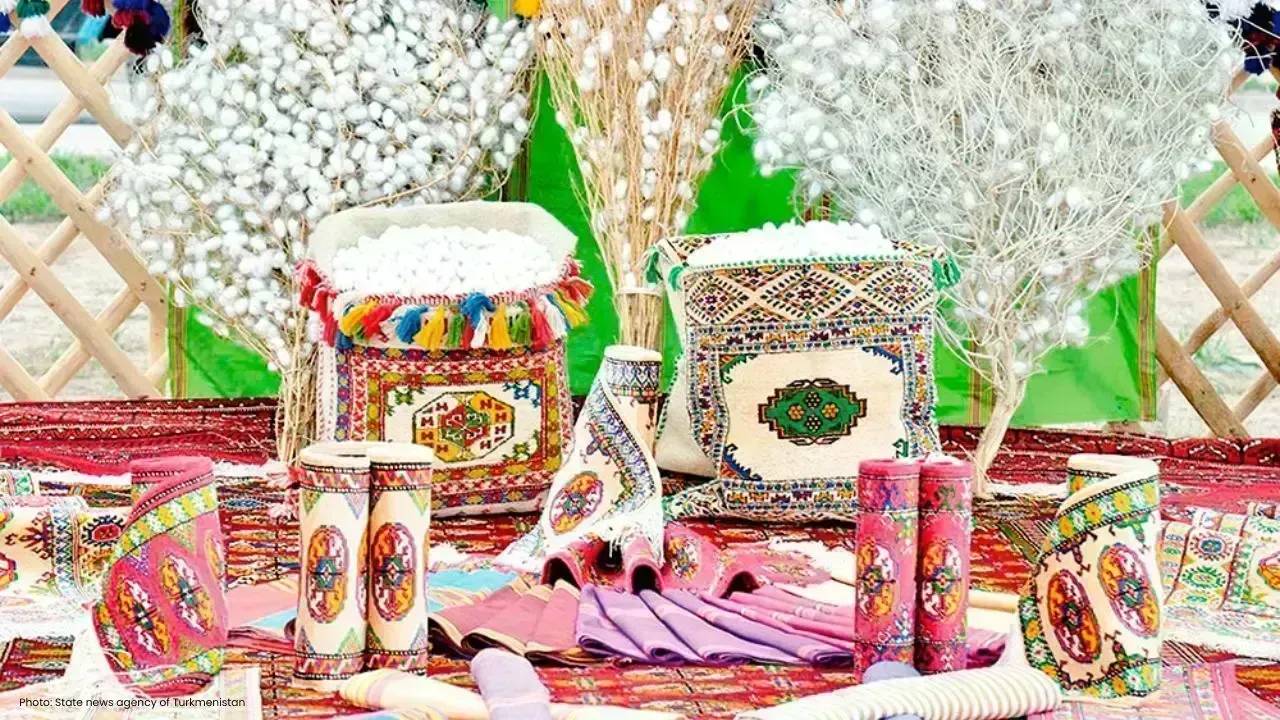
Silk producers in Dashoguz velayat, located in northern Turkmenistan, have started an important seasonal campaign for silkworm cocoon production. This agricultural activity plays a major role in supporting the country’s textile industry and rural economy. The campaign is currently in full progress with large scale participation across the region.
This year, nearly 7,000 tenant farmers, along with 186 peasant farms and several farmers’ associations, are actively involved in the production process. The high level of participation shows the importance of silk farming in the region and the strong commitment of local producers to meet their production goals.
Farmers in Dashoguz have gained valuable experience over the years in raising silkworms successfully. They understand that producing high quality silk depends on careful management at every stage. This includes proper feeding of silkworm larvae and maintaining the right environmental conditions during their growth.
Special attention is given to maintaining suitable temperature and humidity levels in rearing facilities. These factors are very important for the healthy development of silkworms. Farmers also follow strict schedules to ensure that feeding and care are provided at the right time.
The quality of mulberry leaves, which serve as the main food source for silkworms, is also carefully monitored. Fresh and nutritious leaves help improve cocoon quality and increase overall production. Preventive measures are also taken to protect silkworms from diseases during the rearing period.
Thanks to strong government support and well developed infrastructure, farmers in the region are confident of achieving their production target. The goal for this year is to harvest 500 tons of raw silk material, which will be used in the domestic textile industry.
The region has also developed a strong base for silk production through large scale mulberry plantations. Thousands of hectares of land are covered with mulberry trees, ensuring a stable supply of food for silkworms throughout the season.
Each year, new saplings are planted along agricultural fields and near water sources to expand these plantations. This continuous effort supports the long term growth of the sericulture sector in Dashoguz.
Overall, the silk production campaign in Dashoguz velayat reflects the region’s dedication to agricultural development and its contribution to the national economy. With proper planning and favorable conditions, the region is expected to successfully achieve its target this year.










PM Modi Pays Tribute to Mahatma Gandhi, Urges People to Support Khadi
PM Modi pays tribute to Mahatma Gandhi on Gandhi Jayanti and urges citizens to support Khadi and the

Amazon Seeks to Offload $8 Billion in Nvidia Chips to Investors
Amazon plans to move $8 billion in Nvidia chips to investors, using a new financing model to strengt

Samsung Raises Galaxy S26 Prices as Memory Chip Costs Rise
Samsung raises Galaxy S26 prices in South Korea as rising memory chip costs put pressure on smartpho

Lewis Hamilton Calls Singapore Grand Prix One of F1's Toughest Races
Lewis Hamilton discusses the demanding Singapore Grand Prix and brings Plus44 and Almave to Singapor

Denmark's Pandora Opens World's Largest Jewellery Factory in Vietnam
Pandora opens its largest jewellery factory in Vietnam, expanding global production, strengthening s

Gautam Gambhir Questions Batting-Friendly Pitches After India's Record ODI Chase
Gautam Gambhir questions batting-friendly ODI pitches after India’s record chase, calling for a bett

