
You have not yet added any article to your bookmarks!
Join 10k+ people to get notified about new posts, news and tips.
Do not worry we don't spam!
Post by : Samjeet Ariff
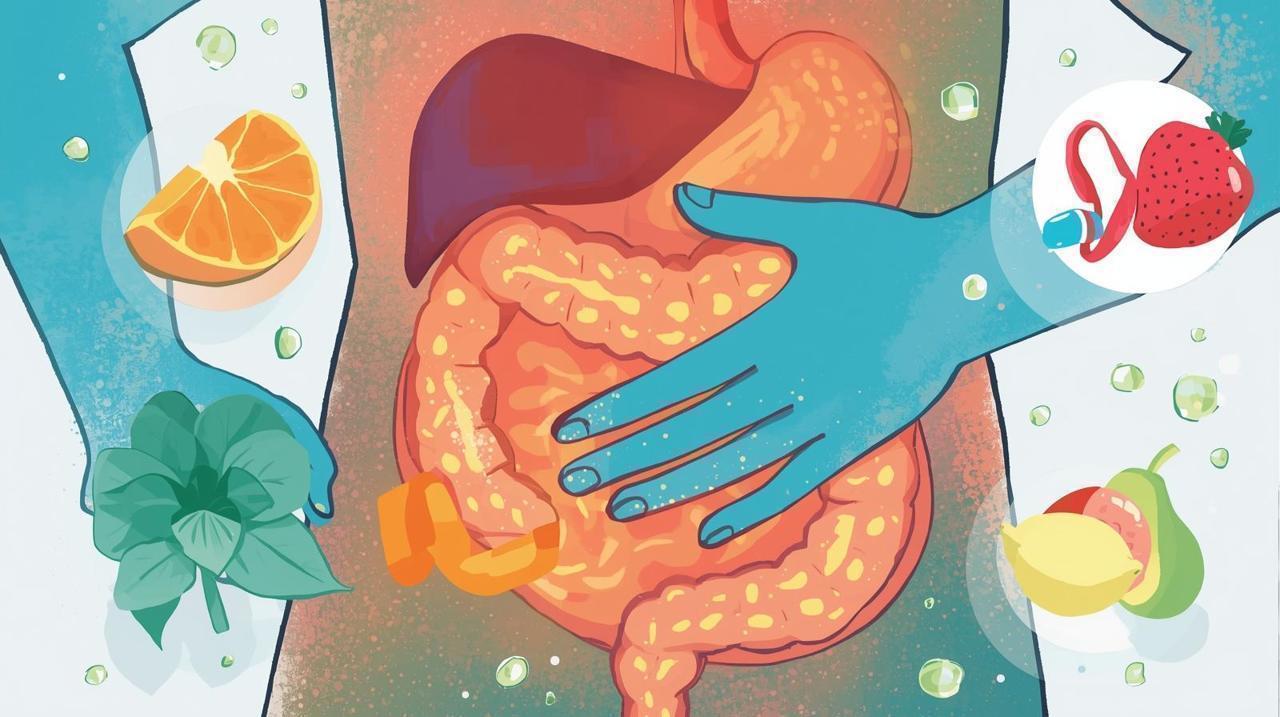
A thriving gut is vital for overall health. From digestion to immunity and even mood, your gut significantly impacts various health aspects. Recently, gut health has gained attention as research uncovers its intricate connections with the brain, immune system, and chronic illnesses.
Feeling bloated, fatigued, or having irregular bowel movements? Your gut might be signaling a need for attention. Thankfully, you can restore and sustain digestive health naturally with the right dietary and lifestyle adjustments.
This guide outlines science-backed techniques to enhance gut health and improve your digestion.
Your gastrointestinal tract, often referred to as the gut, hosts trillions of microorganisms, including bacteria, fungi, and viruses, known collectively as the gut microbiome. These organisms are essential for food digestion, vitamin production, and defending against harmful agents.
A balanced microbiome ensures smooth digestion, while disruptions caused by poor nutrition, stress, or antibiotics can result in issues like gas, inflammation, constipation, and weakened immune responses.
Prioritizing gut health involves more than just alleviating digestive problems. It significantly contributes to:
Nutrient absorption – A healthy gut maximizes your food's nutritional benefits.
Immune support – About 70% of your immune cells are located in the gut.
Regulating hormones – The gut influences hormone levels, including serotonin, known as the “happiness hormone.”
Detoxification – A well-functioning gut efficiently removes waste and toxins.
Neglected gut health can lead to fatigue, mood fluctuations, skin issues, and increased illness frequency.
Before improving gut health, it's critical to recognize signs of an imbalance. Common symptoms include:
Frequent bloating or gassiness
Irregular bowel patterns (such as constipation or diarrhea)
Indigestion or heartburn
Cravings for sugar
Unexplained tiredness
Cognitive issues like brain fog or mood imbalances
Skin conditions, such as acne or eczema
Experiencing multiple symptoms may indicate a need to focus on your digestive health.
Here are some natural strategies to restore and maintain your gut's health.
Dietary fiber is crucial for nurturing beneficial gut bacteria. Fiber-rich foods serve as prebiotics that promote the growth of healthy microorganisms. Incorporating a variety of fruits, vegetables, whole grains, and legumes can foster smoother digestion and regularity.
Top fiber sources include:
Oats
Lentils and beans
Bananas and apples
Leafy greens, including spinach and kale
Chia and flaxseeds
Incorporate both soluble and insoluble fiber in your diet daily for optimal results.
Probiotics are live beneficial bacteria that enhance your gut microbiome. Regular consumption of probiotic-rich foods can help restore gut balance, especially post-antibiotics.
Foods high in probiotics include:
Yogurt with live cultures
Kefir
Sauerkraut
Kimchi
Tempeh and miso
Consider a high-quality probiotic supplement if you're not consuming these foods regularly, ideally after consulting with a healthcare professional.
Water is essential for effective digestion. It aids in food breakdown, nutrient absorption, and waste movement through the intestines. Aim for 2–3 liters of water daily, and include hydrating foods like cucumbers, oranges, and watermelons in your diet.
Excess sugar and processed foods can encourage harmful bacteria and yeast growth in your gut. This can lead to inflammation, poor digestion, and fatigue over time. Replace sugary snacks with healthier choices like nuts, fruits, or yogurt.
Your gut and brain are intricately linked through the gut-brain axis. Chronic stress can disturb gut flora and impede digestion, potentially exacerbating conditions like irritable bowel syndrome (IBS).
Stress-relief techniques include:
Meditation and breathing exercises
Yoga or stretching routines
Outdoor activities
Listening to calming music
Maintaining a healthy sleep schedule
Insufficient sleep affects not only your energy but can also disrupt your gut bacteria's natural rhythms. Research indicates that a lack of quality sleep can contribute to gut inflammation and irregular digestion.
Strive for 7–9 hours of quality sleep each night. Minimize screen exposure before bedtime, establish a consistent sleep routine, and create a soothing environment for sleep.
Eating quickly can lead to bloating and indigestion. Mindful eating promotes slowing down, savoring the food, and enjoying meals without distractions.
To cultivate mindful eating habits:
Sit for all meals.
Disengage from screens while eating.
Chew thoroughly.
Stop eating when satisfied, not stuffed.
This aids digestion and helps prevent overeating.
Fermented foods are fantastic sources of probiotics and enzymes that enhance digestion. Regular consumption helps maintain gut balance and lessen inflammation.
Favorite fermented foods include:
Yogurt and kefir
Kombucha
Natural pickles
Sauerkraut and kimchi
Including small servings regularly can greatly benefit your digestive health.
Staying active promotes efficient food movement through your intestines and supports a balanced microbiome. Even light exercises can improve blood circulation to digestive organs.
Good exercises for gut health include:
Walking or cycling
Yoga (especially stretches and twists)
Swimming
Strength workouts
Aim for at least 30 minutes of moderate exercise on most days.
While critical for treating infections, the overuse of antibiotics can harm beneficial gut bacteria alongside harmful ones. Always use antibiotics as prescribed and consider taking probiotics afterward to maintain balance.
To build a robust digestive system, focus on foods that support the gut lining and beneficial bacteria.
Gut-healing foods include:
Bone broth (rich in collagen)
Garlic and onions (natural prebiotics)
Turmeric and ginger (anti-inflammatory properties)
Berries (high in antioxidants)
Whole grains like oats and brown rice
Leafy greens and cruciferous vegetables
These foods enhance digestion, alleviate bloating, and promote enduring gut health.
Even a healthy diet can't offset harmful habits:
Eating late at night
Overeating or skipping meals
High consumption of caffeine or alcohol
Inadequate water intake
Ignoring the need to use the restroom
Small adjustments in lifestyle can lead to significant improvements in gut function.
If symptoms like bloating, abdominal pain, or constipation linger despite making dietary changes, it's important to consult a healthcare expert. Conditions such as IBS, food sensitivities, or leaky gut syndrome may require targeted treatment.
Your gut health extends beyond digestion—it influences your energy, mood, skin health, and immunity. By maintaining a balanced diet, staying well-hydrated, managing stress, and adopting a healthy lifestyle, you can enhance your digestive health and overall wellness naturally.
Forming good gut health habits requires commitment, but the long-term benefits are worth it. Remember, a healthier gut equates to a healthier you.










AI Companies Expected to Drive Most US Earnings Growth in Q3
AI companies are expected to drive US third-quarter earnings growth as investors assess tech profits

Money Market Funds See Record Inflows as Global Bond Selloff Intensifies
Global money market funds attract $153.81 billion as bond yields rise, inflation fears persist and i

Meta Bans TikTok Ads on Facebook and Instagram in Seven Countries
Meta has banned TikTok ads in seven countries, escalating competition over social media users, adver

ASML and Zeiss Target Next-Generation Chip Technology in 10 Years
ASML and Carl Zeiss are developing Hyper NA technology to print smaller chip circuits, with the next

Rabada Misses First Australia Test as South Africa Pick Two Spinners
Kagiso Rabada misses the opener as South Africa vs Australia begins, with Anrich Nortje returning an

Starc Compares Australia's Tough Year to McIlroy's Major Sweep
Mitchell Starc says Australia winning three away Test series and the World Cup would match Rory McIl

