
You have not yet added any article to your bookmarks!
Join 10k+ people to get notified about new posts, news and tips.
Do not worry we don't spam!
Post by : Shakul
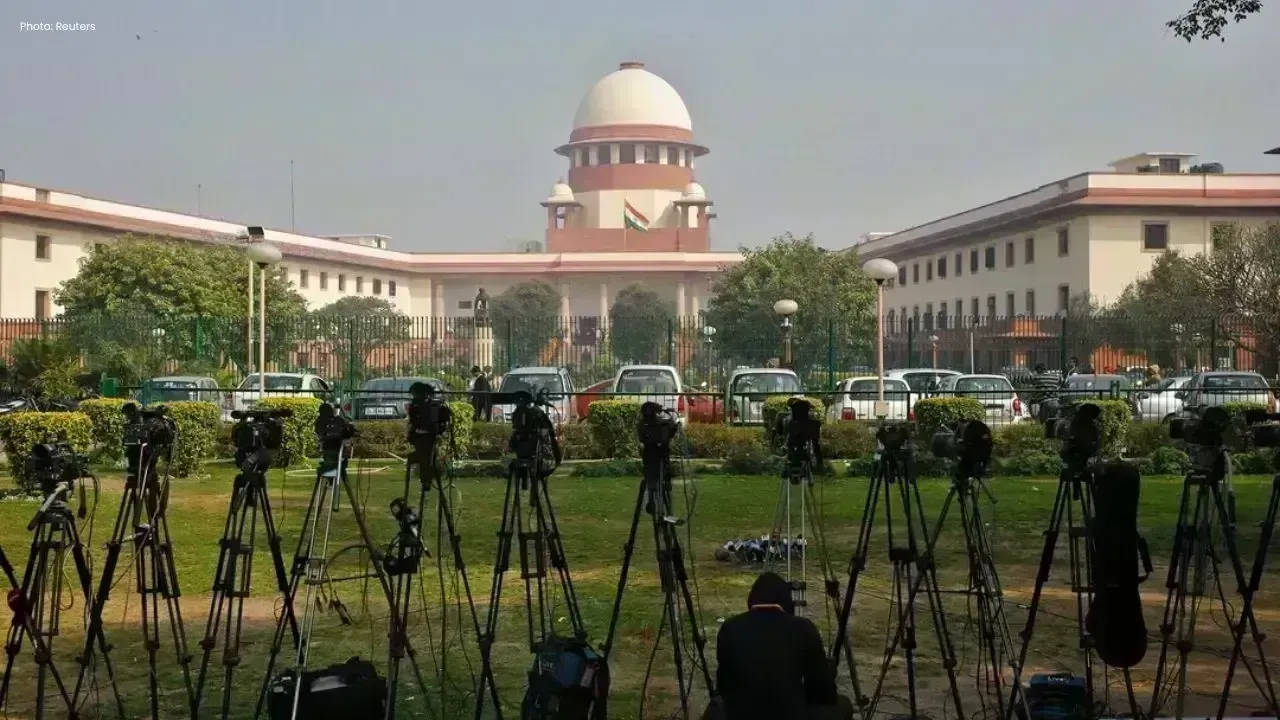
The Supreme Court of India has agreed to examine concerns surrounding the Central Board of Secondary Education’s new three-language policy for Class 9 students. The rule, which is scheduled to come into effect from July 1, 2026, has sparked debate over whether schools and students are adequately prepared for its implementation.
A three-judge Bench led by Chief Justice of India Surya Kant observed that the court’s primary concern is not only the policy itself but also the practical challenges linked to its execution. The Bench indicated that issues such as shortages of teachers, lack of textbooks, and insufficient educational infrastructure would play a major role in determining whether the policy places an unreasonable burden on students and institutions.
The CBSE policy requires students entering Class 9 to study three languages as part of the revised academic structure. Supporters of the policy believe it promotes multilingual education, strengthens communication skills, and aligns with broader national education reforms aimed at preserving linguistic diversity across India.
However, critics argue that many schools, especially in rural and under-resourced areas, may struggle to implement the rule effectively. Education experts and parents have raised concerns about the availability of qualified language teachers and appropriate study materials for all regional and foreign language options offered under the framework.
During the hearing, the Supreme Court emphasized the importance of examining factual realities on the ground before allowing large-scale implementation of the policy. The Bench reportedly questioned whether schools currently possess the administrative and academic capacity to support the additional language requirements without negatively affecting students’ learning experience.
Legal experts believe the case could have significant implications for future education reforms in India, particularly those linked to the National Education Policy and multilingual learning initiatives. The court’s review may also influence how educational authorities balance policy objectives with practical implementation challenges.
The matter has drawn widespread attention among educators, school administrators, and parents across the country as many institutions prepare for the upcoming academic session. The Supreme Court is expected to further examine whether the policy can be implemented fairly and effectively without placing excessive academic pressure on children.
Education observers say the outcome of the case could shape future discussions on curriculum reforms, teacher recruitment, textbook availability, and language education policies within India’s school system.










PM Modi Pays Tribute to Mahatma Gandhi, Urges People to Support Khadi
PM Modi pays tribute to Mahatma Gandhi on Gandhi Jayanti and urges citizens to support Khadi and the

Amazon Seeks to Offload $8 Billion in Nvidia Chips to Investors
Amazon plans to move $8 billion in Nvidia chips to investors, using a new financing model to strengt

Samsung Raises Galaxy S26 Prices as Memory Chip Costs Rise
Samsung raises Galaxy S26 prices in South Korea as rising memory chip costs put pressure on smartpho

Lewis Hamilton Calls Singapore Grand Prix One of F1's Toughest Races
Lewis Hamilton discusses the demanding Singapore Grand Prix and brings Plus44 and Almave to Singapor

Denmark's Pandora Opens World's Largest Jewellery Factory in Vietnam
Pandora opens its largest jewellery factory in Vietnam, expanding global production, strengthening s

Gautam Gambhir Questions Batting-Friendly Pitches After India's Record ODI Chase
Gautam Gambhir questions batting-friendly ODI pitches after India’s record chase, calling for a bett

