
You have not yet added any article to your bookmarks!
Join 10k+ people to get notified about new posts, news and tips.
Do not worry we don't spam!
Post by : Shakul
Tensions between the United States and Iran have sharply escalated after Washington announced plans to impose a naval blockade on Iranian maritime routes. The move, confirmed by the U.S. military, will restrict all vessels entering or exiting Iranian ports through the strategically vital Strait of Hormuz, a critical global oil corridor. The decision follows failed diplomatic talks between the two sides held in Pakistan, further deepening the ongoing crisis.
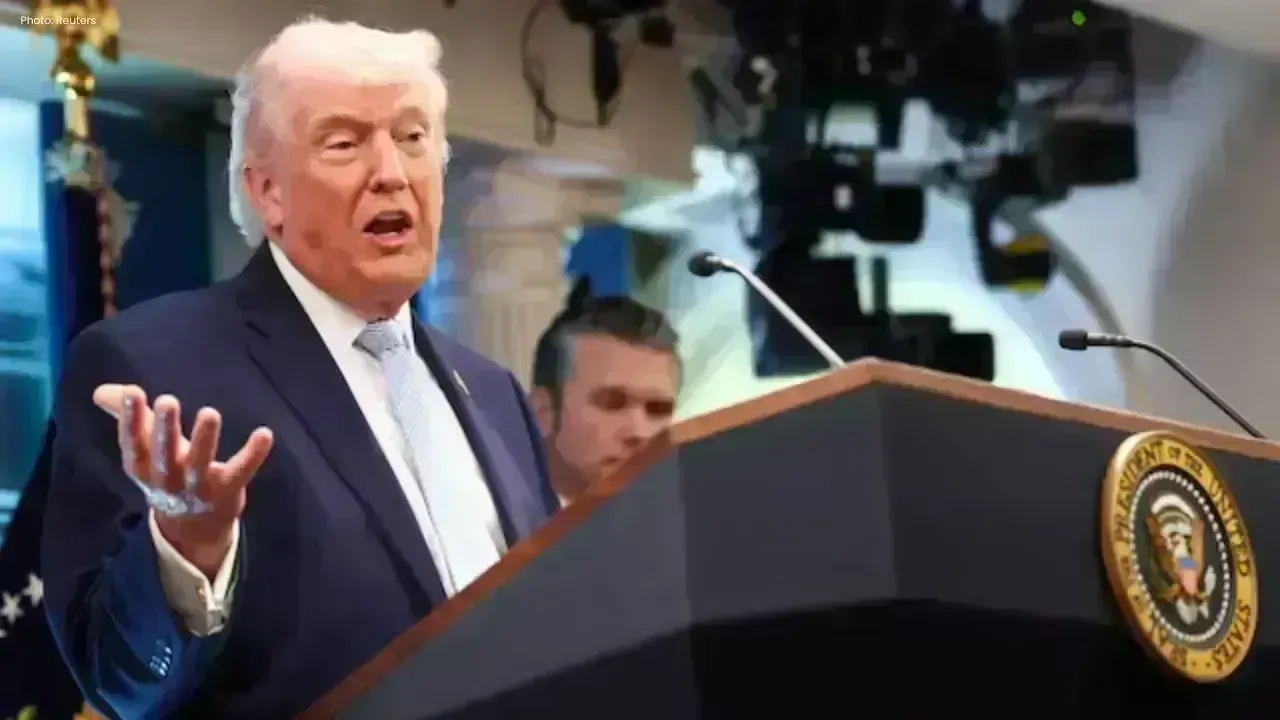
U.S. President Donald Trump stated that he is no longer concerned about Iran returning to negotiations, signaling a hardening stance from Washington. He also confirmed plans to enforce control over maritime traffic in the region, particularly targeting the Strait of Hormuz, which handles nearly one-fifth of the world’s oil supply and is considered one of the most critical chokepoints in global trade.
The U.S. military announced that the blockade would come into effect on April 13, with naval forces prepared to monitor and control shipping activity in the Gulf. This move effectively places immense pressure on Iran’s economy and its ability to export oil, raising fears of broader disruptions in global energy markets and international shipping routes.
Iran has strongly condemned the decision, with a spokesperson from its armed forces calling the U.S. actions illegal and describing them as “amounting to piracy.” Tehran warned that it would respond decisively and implement its own permanent mechanism to control the Strait of Hormuz, signaling a potential escalation that could impact not only regional stability but also global trade flows.
The developments have already triggered significant reactions in global markets, with oil prices surging sharply. Brent crude prices jumped above $100 per barrel, reflecting concerns over supply disruptions and the possibility of prolonged conflict in the region. Analysts warn that continued instability in the Strait of Hormuz could have far-reaching economic consequences worldwide.
Strategic experts believe that the confrontation marks a critical turning point, as both nations appear to be moving away from diplomatic engagement toward direct confrontation. The failure of recent negotiations and the rapid militarization of the situation have heightened fears of a wider conflict involving multiple regional and global powers.
As the situation unfolds, the international community is closely monitoring developments, with calls for restraint and renewed diplomatic efforts to prevent further escalation. However, with both sides taking firm positions, the risk of a prolonged and potentially disruptive crisis remains high.










PM Modi Pays Tribute to Mahatma Gandhi, Urges People to Support Khadi
PM Modi pays tribute to Mahatma Gandhi on Gandhi Jayanti and urges citizens to support Khadi and the

Amazon Seeks to Offload $8 Billion in Nvidia Chips to Investors
Amazon plans to move $8 billion in Nvidia chips to investors, using a new financing model to strengt

Samsung Raises Galaxy S26 Prices as Memory Chip Costs Rise
Samsung raises Galaxy S26 prices in South Korea as rising memory chip costs put pressure on smartpho

Lewis Hamilton Calls Singapore Grand Prix One of F1's Toughest Races
Lewis Hamilton discusses the demanding Singapore Grand Prix and brings Plus44 and Almave to Singapor

Denmark's Pandora Opens World's Largest Jewellery Factory in Vietnam
Pandora opens its largest jewellery factory in Vietnam, expanding global production, strengthening s

Gautam Gambhir Questions Batting-Friendly Pitches After India's Record ODI Chase
Gautam Gambhir questions batting-friendly ODI pitches after India’s record chase, calling for a bett

